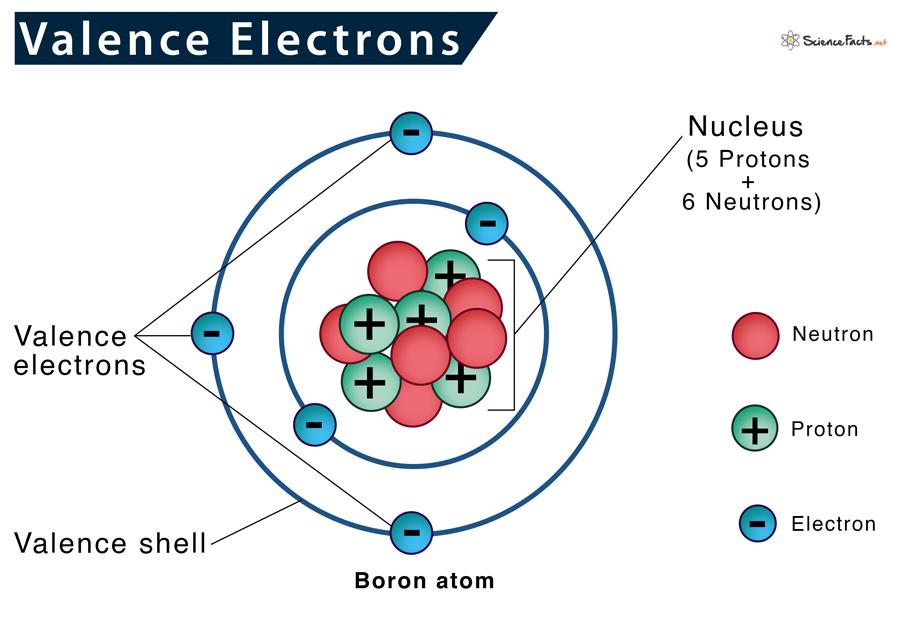
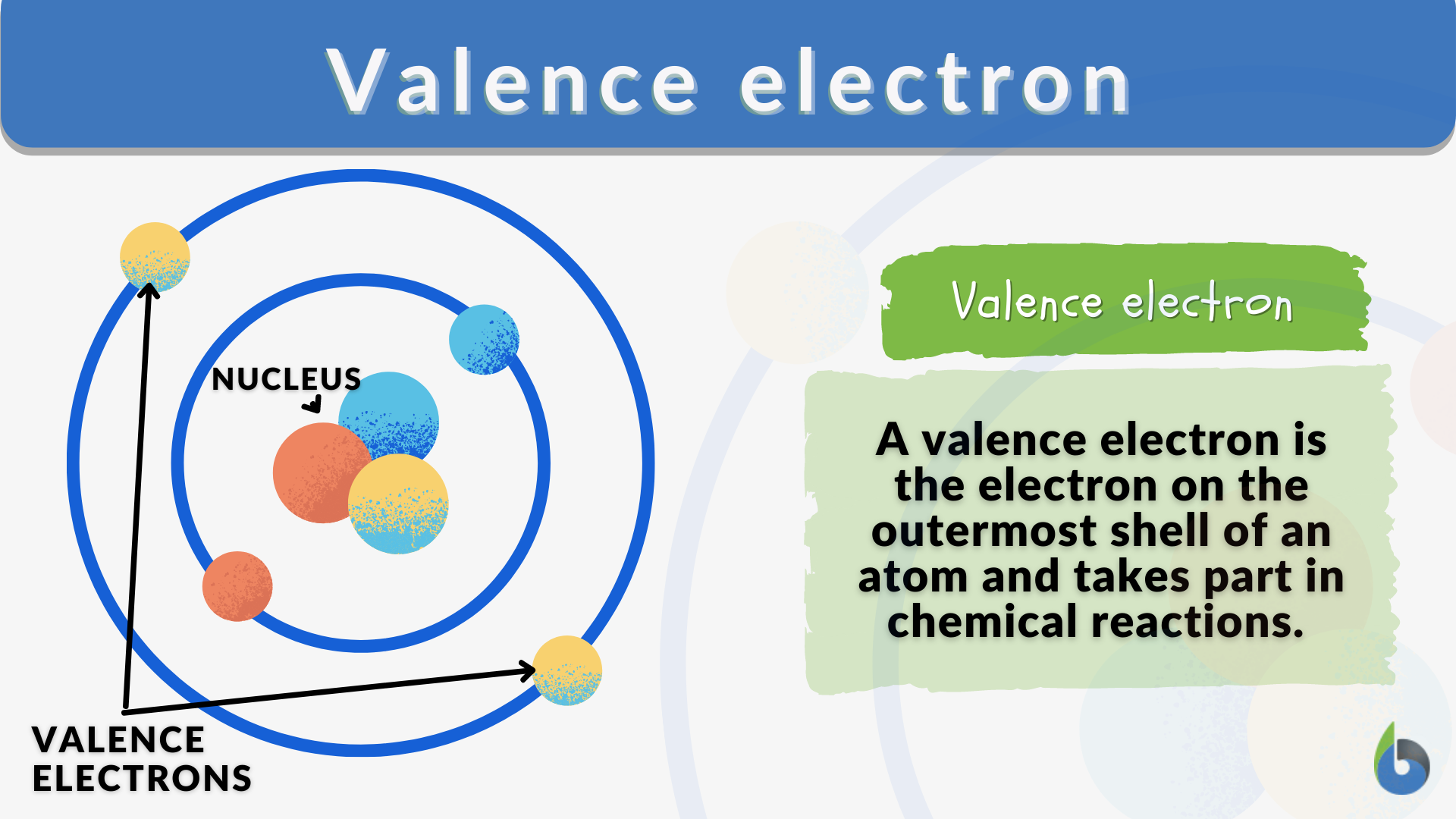
Valence electrons are the electrons in the outermost occupied energy level of an atom that can participate in chemical bonding and strongly influence the atom's chemical behavior.
For students learning chemistry in the United States, understanding valence electrons provides a direct way to connect atomic structure with the periodic table, chemical bonding, ions, and reactivity. The number and arrangement of an atom's outer electrons help explain why elements in the same periodic table group often show similar chemical behavior.
A valence electron is generally found in the highest occupied principal energy level of an atom. In main-group elements, these are the outer-shell electrons. They may be lost, gained, or shared during chemical reactions, which is why valence electrons are central to understanding ionic and covalent bonding.
Source: sciencefacts.net
What Are Valence Electrons?
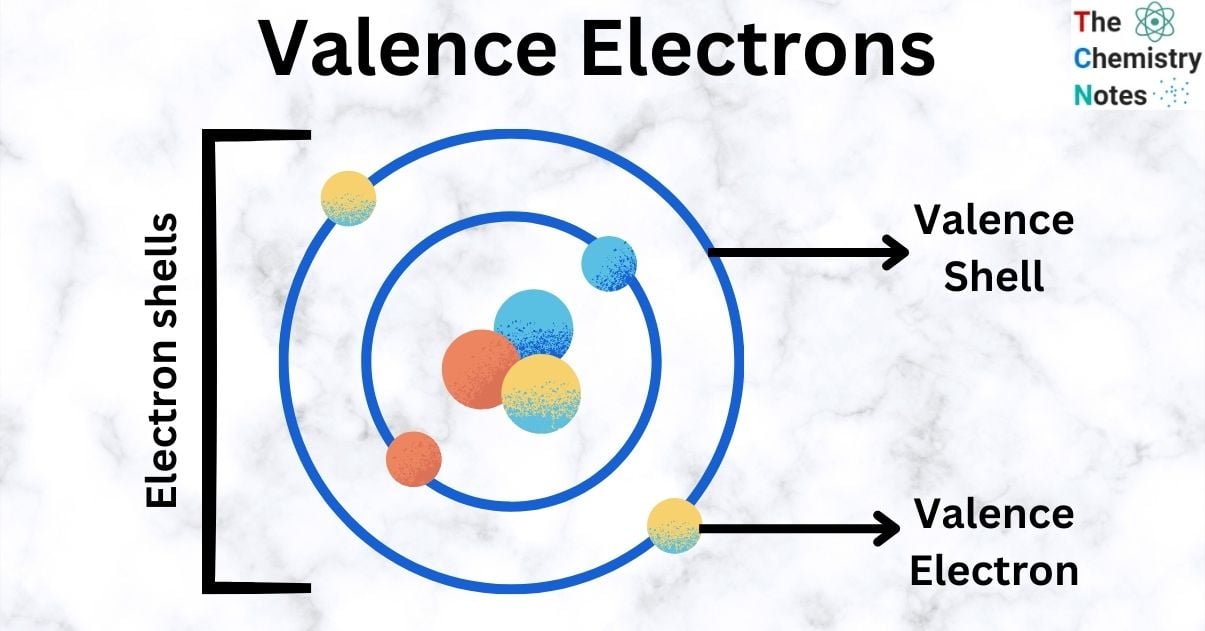
Valence electrons are electrons associated with the outermost occupied energy level of an atom. They are especially important because they can participate in chemical bonding and strongly influence how an element reacts with other substances.
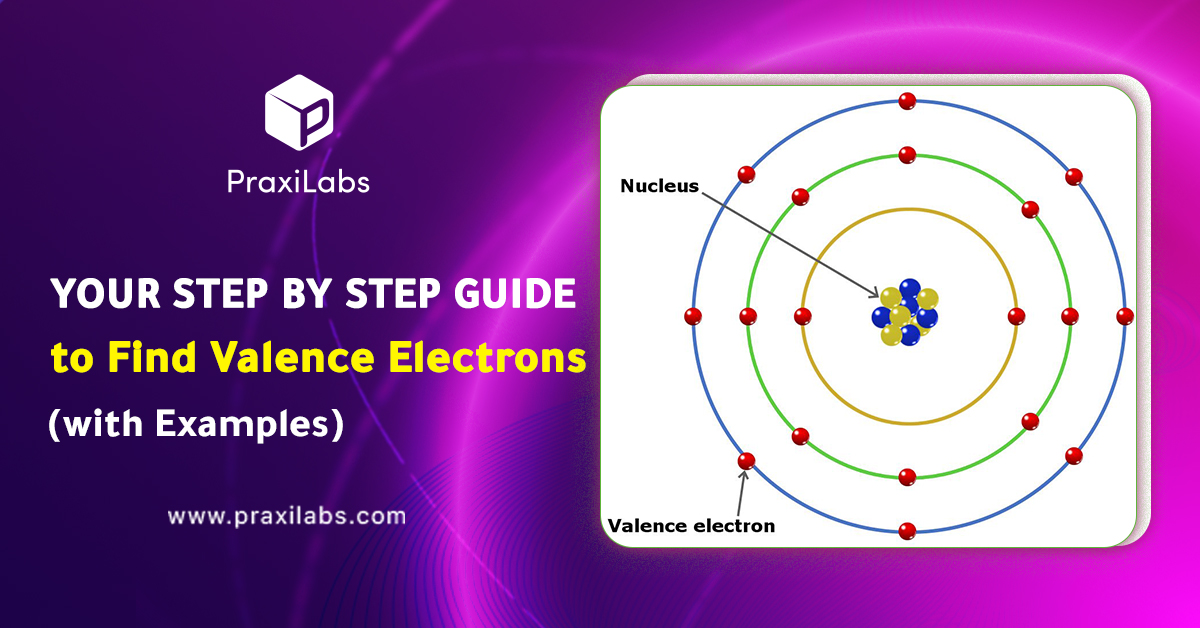
Electrons occupy regions around the nucleus described by energy levels, subshells, and orbitals. The electrons in inner energy levels are generally called core electrons, while the electrons in the outer occupied level are commonly called valence electrons.
For a main-group atom such as sodium, the distinction is straightforward. Sodium has the electron configuration 1s2 2s2 2p6 3s1. The electron in the 3s orbital is its valence electron, while the first 10 electrons are core electrons.
Source: scienceinfo.com
Valence shell
The valence shell is the outermost occupied principal energy level of an atom.
Core electrons
Core electrons occupy inner energy levels and generally do not participate directly in ordinary chemical bonding.
Chemical behavior
The number and arrangement of valence electrons help determine how an atom can form bonds and what types of ions or compounds it may produce.
Valence Electrons vs. Core Electrons
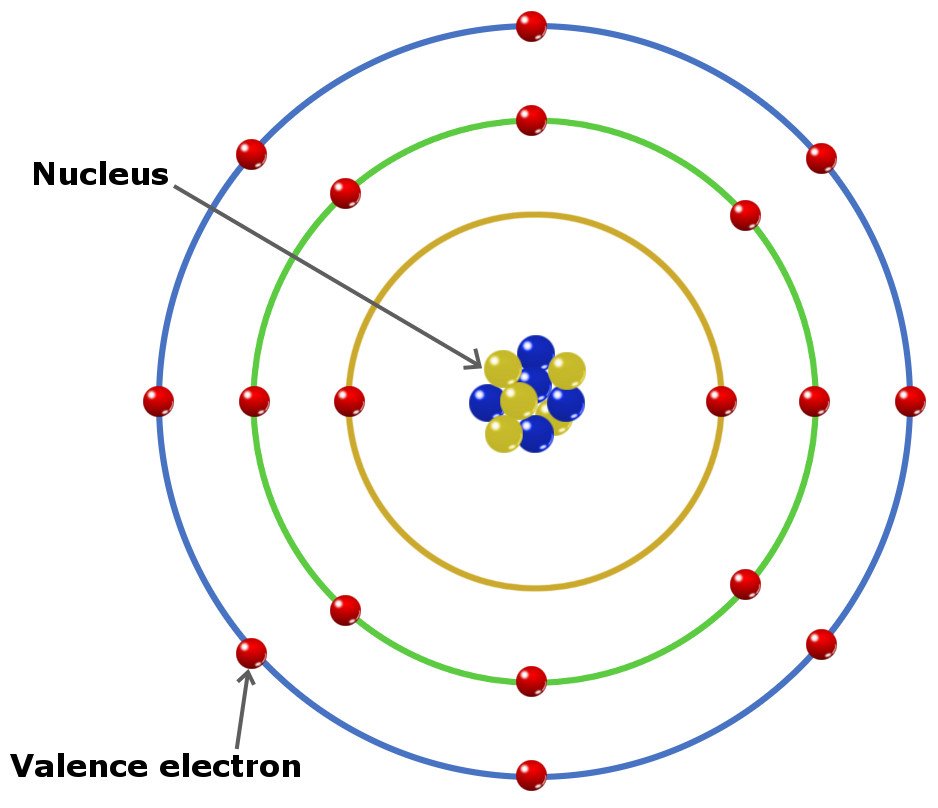
The difference between valence and core electrons becomes clearer when you examine an electron configuration. Consider magnesium, which has 12 electrons. Its configuration is 1s2 2s2 2p6 3s2. The ten electrons in the first two principal energy levels are core electrons, while the two electrons in the third energy level are valence electrons.
Valence electrons
Located in the outer occupied energy level and commonly involved in chemical bonding.
Core electrons
Located closer to the nucleus in inner energy levels and generally less directly involved in bonding.
Why Are Valence Electrons Important?
Valence electrons are important because chemical reactions commonly involve changes in the way these electrons are arranged. Atoms can lose electrons, gain electrons, or share electrons when forming chemical substances.
For example, sodium has one valence electron. It can lose that electron to form a sodium ion with a positive charge. Chlorine has seven valence electrons and can gain one electron to form a chloride ion with a negative charge. The attraction between these oppositely charged ions produces the basis of ionic bonding in sodium chloride.
In covalent bonding, atoms share valence electrons instead of completely transferring them. Hydrogen, oxygen, nitrogen, and carbon frequently form covalent bonds in molecules because their valence electrons can be shared between atoms.
The relationship between valence electrons and chemical behavior also explains why elements in the same main-group column of the periodic table often have similar properties. Their outer electron configurations follow similar patterns.
Source: expii.com
Ionic bonding
Valence electrons may be transferred from one atom to another, producing oppositely charged ions.
Covalent bonding
Valence electrons can be shared between atoms to form covalent bonds.
Chemical reactivity
The number of valence electrons influences whether an atom tends to lose, gain, or share electrons.
Valence Electrons and the Octet Pattern
Many main-group atoms tend toward an especially stable arrangement in which the outer s and p subshells contain eight electrons. This pattern is commonly described by the octet rule. It is a useful introductory model, but it is not a universal rule for every element or compound.
Helium is an important exception because its first energy level can hold only two electrons. Hydrogen also follows a two-electron stability pattern for its first energy level rather than an eight-electron outer shell.
Common pattern
Many main-group atoms form bonds that result in a stable outer-shell arrangement associated with eight electrons.
Important limitation
The octet rule is a simplified model and does not describe every bonding situation, particularly for transition metals and molecules with unusual electron counts.
How Many Valence Electrons Does an Atom Have?
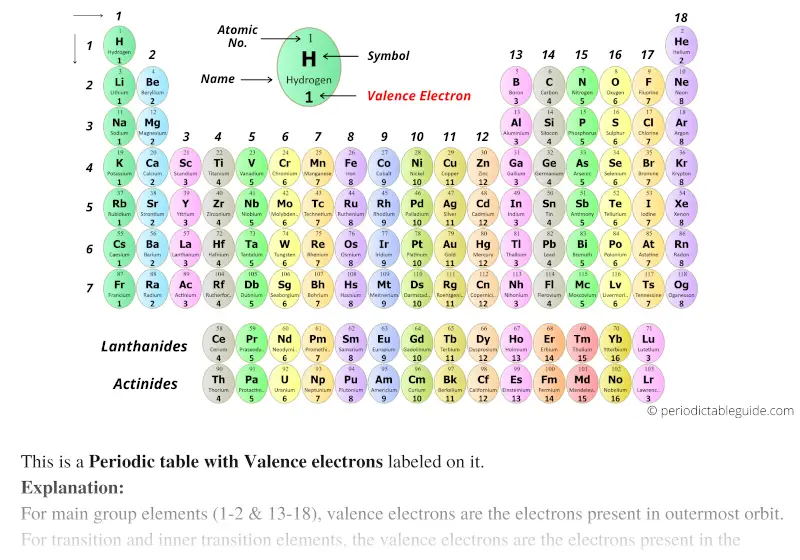
For main-group elements, the periodic table provides a fast way to determine the number of valence electrons in a neutral atom. Groups are the vertical columns of the periodic table.
For Groups 1 and 2, the group number directly corresponds to the number of valence electrons. For Groups 13 through 18, the number of valence electrons is generally the group number minus 10. This gives 3 through 8 valence electrons, respectively.
The most familiar exception is helium. Helium is in Group 18, but it has only two electrons because its first energy level contains only the 1s orbital, which can hold a maximum of two electrons.
Source: periodictableguide.com
Group 1
Main-group atoms generally have 1 valence electron.
Group 2
Main-group atoms generally have 2 valence electrons.
Groups 13 to 18
Main-group atoms generally have 3 to 8 valence electrons, respectively, with helium as the key exception.
Valence Electrons by Main-Group Periodic Table Group
The following pattern is useful for introductory chemistry because it connects the periodic table directly to electron structure.
Group 1
1 valence electron. Examples include hydrogen, lithium, and sodium.
Group 2
2 valence electrons. Examples include beryllium, magnesium, and calcium.
Group 13
3 valence electrons. Examples include boron and aluminum.
Group 14
4 valence electrons. Examples include carbon and silicon.
Group 15
5 valence electrons. Examples include nitrogen and phosphorus.
Group 16
6 valence electrons. Examples include oxygen and sulfur.
Group 17
7 valence electrons. Examples include fluorine and chlorine.
Group 18
Generally 8 valence electrons, except helium, which has 2.
How to Find Valence Electrons Using Electron Configuration
Electron configuration provides a reliable way to identify valence electrons because it shows how an atom's electrons are distributed among energy levels and orbitals.
For a main-group atom, identify the highest principal energy level number, represented by the largest n value in the configuration. The electrons in that highest occupied level are the valence electrons.
Consider oxygen. Its electron configuration is 1s2 2s2 2p4. The highest principal energy level is n = 2. The second energy level contains 2 electrons in 2s and 4 electrons in 2p, giving oxygen a total of 6 valence electrons.
Consider chlorine. Its electron configuration is 1s2 2s2 2p6 3s2 3p5. The highest principal energy level is n = 3. The 3s2 and 3p5 electrons give chlorine 7 valence electrons.
Source: biologyonline.com
Step 1
Write the electron configuration of the neutral atom.
Step 2
Find the highest principal energy level number, n.
Step 3
Count the electrons occupying that highest energy level for a main-group element.
Step 4
Use the result to understand the atom's likely bonding behavior, while recognizing that electron configuration alone does not predict every chemical reaction.
Example: Finding the Valence Electrons of Carbon
Carbon has atomic number 6, so a neutral carbon atom has six electrons. Its electron configuration is 1s2 2s2 2p2. The highest occupied energy level is n = 2. Adding the electrons in 2s and 2p gives 2 + 2 = 4 valence electrons.
Carbon configuration
1s2 2s2 2p2
Highest energy level
n = 2
Valence electrons
4
Example: Finding the Valence Electrons of Sodium
Sodium has atomic number 11 and the electron configuration 1s2 2s2 2p6 3s1. The highest occupied energy level is n = 3, and it contains one electron. Therefore, a neutral sodium atom has one valence electron.
Sodium configuration
1s2 2s2 2p6 3s1
Highest energy level
n = 3
Valence electrons
1
Valence Electrons in the Periodic Table
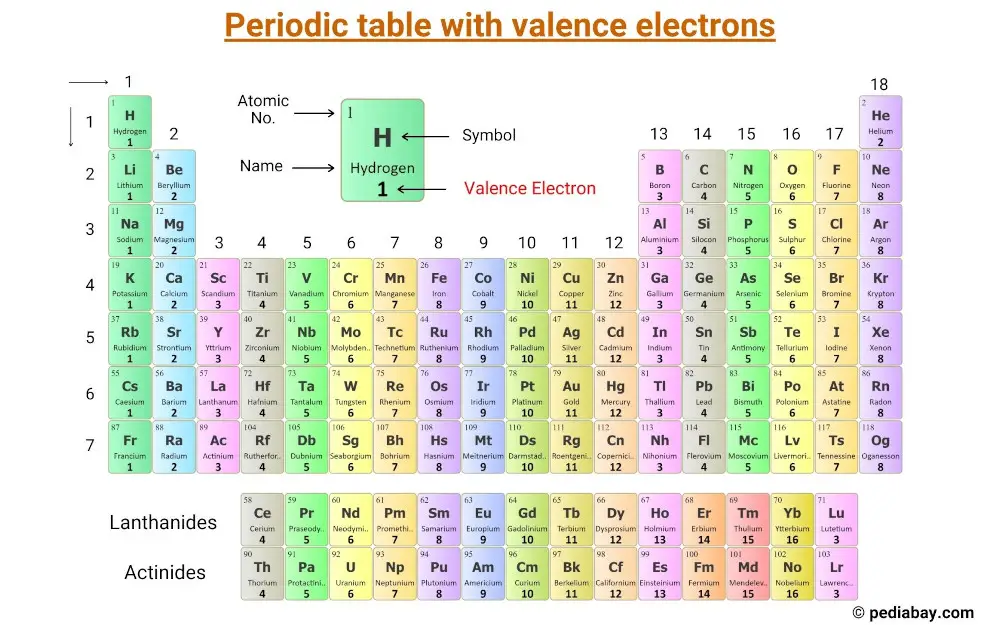
The periodic table is organized so that elements with similar outer-electron configurations appear in the same groups. This arrangement makes the table useful for predicting broad patterns in chemical behavior.
For example, lithium and sodium are both in Group 1 and each has one valence electron. Fluorine and chlorine are both in Group 17 and each has seven valence electrons. Their atoms are different in size and have different numbers of total electrons, but their outer-electron patterns help explain similarities in their chemical behavior.
The periodic table shortcut is most straightforward for main-group elements. It should not be applied mechanically to transition metals because d electrons can contribute to bonding and oxidation states.
Source: pediabay.com
Same group
Main-group elements in the same column generally have similar numbers of valence electrons.
Same period
Elements in the same horizontal row have electrons being added to the same principal energy level, although their valence-electron counts change across the row.
Periodic trends
Valence-electron arrangements help explain recurring patterns in reactivity and other chemical properties.
Why Elements in the Same Group Behave Similarly
Elements in the same main-group column often have analogous outer-shell electron configurations. Because chemical bonding involves these outer electrons, similar configurations can produce related chemical behavior. This is why the periodic table is more than a list of elements; its structure reflects repeating patterns in atomic electron configurations.
Group 1 example
Lithium and sodium each have one valence electron and commonly form ions with a +1 charge.
Group 17 example
Fluorine and chlorine each have seven valence electrons and commonly form ions with a -1 charge.
Valence Electrons in Ions
When an atom becomes an ion, its total number of electrons changes. This means that the electron configuration and outer-shell arrangement can change as well.
A neutral sodium atom has 11 electrons and the configuration [Ne]3s1. When sodium loses its 3s electron, it becomes Na+ with 10 electrons and the electron configuration of neon. This produces a filled outer shell in the resulting ion.
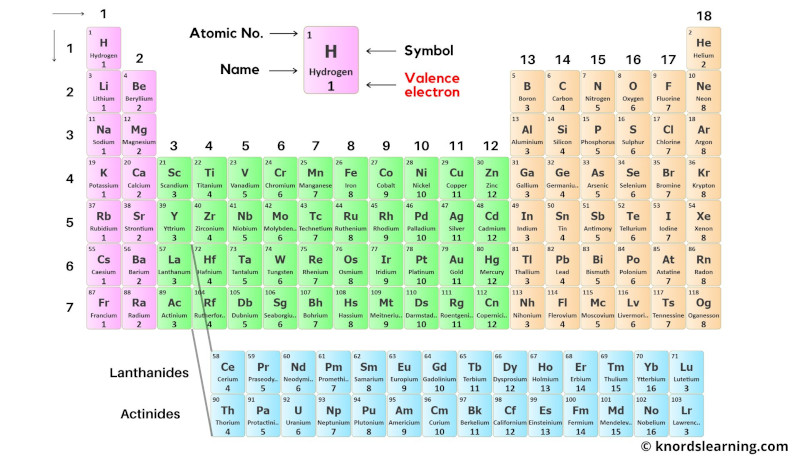
Chlorine provides the opposite example. A neutral chlorine atom has seven valence electrons. When it gains one electron, it becomes Cl− and has an outer-shell configuration corresponding to eight electrons.
Source: knordslearning.com
Positive ions
Atoms form positive ions, or cations, when they lose one or more electrons.
Negative ions
Atoms form negative ions, or anions, when they gain one or more electrons.
Electron configuration
The configuration of the ion determines its new electron arrangement and helps explain its chemical behavior.
Sodium and Chloride as a Simple Comparison
Sodium tends to lose one valence electron, while chlorine tends to gain one electron. Their resulting ions have electron configurations that correspond to filled outer shells. The electrostatic attraction between Na+ and Cl− is the basis of ionic bonding in sodium chloride.
Na
Neutral sodium has 1 valence electron.
Na+
Sodium loses that electron and forms a positively charged ion.
Cl
Neutral chlorine has 7 valence electrons.
Cl−
Chlorine gains 1 electron and forms a negatively charged ion.
Common Mistakes When Counting Valence Electrons
The most common errors occur when students confuse the total number of electrons with the number of valence electrons or apply the main-group shortcut to elements for which it is not appropriate.
Another frequent mistake is forgetting that the highest principal energy level is not always the same as the orbital that was filled most recently. This distinction becomes particularly important for transition metals.
Students should also avoid assuming that every atom must have eight valence electrons. Hydrogen and helium follow the two-electron capacity of the first energy level, and many chemical species do not fit a simple octet model.
Source: chemistutor.org
Mistake 1: Counting all electrons
The atomic number tells you the number of electrons in a neutral atom, but that total is not the number of valence electrons.
Mistake 2: Ignoring helium
Helium is in Group 18 but has two electrons, not eight.
Mistake 3: Applying the shortcut to transition metals
Transition-metal electron configurations involve d orbitals, so their valence-electron behavior requires more careful analysis.
Mistake 4: Treating the octet rule as universal
The octet rule is a useful introductory model but has important exceptions.
Are Transition-Metal Electrons Valence Electrons?
Transition metals require a more nuanced definition of valence electrons. Their outermost ns electrons and nearby (n−1)d electrons can participate in bonding and can contribute to different oxidation states. Because of this, simply counting electrons in the highest principal energy level does not always describe the chemically relevant valence electrons of a transition metal.
For introductory chemistry, it is usually best to follow the definition and counting method specified by the course or textbook when working with transition metals. For main-group elements, the outermost-shell method is much more straightforward.
Main-group elements
Valence-electron counting is generally straightforward from the highest occupied principal energy level.
Transition metals
Both ns and (n−1)d electrons can be chemically relevant, so valence-electron counting depends on the chemical context.
A Quick Method for Finding Valence Electrons
For a main-group element, you can usually determine the number of valence electrons in a few seconds by using its periodic table group. If you need greater certainty, check the electron configuration.
Start by identifying whether the element belongs to the main group. For Groups 1 and 2, the group number gives the valence-electron count. For Groups 13 through 18, subtract 10 from the group number. Then remember that helium has two valence electrons.
Source: fity.club
Fast method
Identify the main-group column and use its group number to determine the valence-electron count.
Configuration method
Write the electron configuration and count the electrons in the highest occupied principal energy level for a main-group element.
Check the element type
If the element is a transition metal or inner-transition element, use an appropriate electron-configuration method instead of relying only on the main-group shortcut.
Worked Examples
Nitrogen is in Group 15, so a neutral nitrogen atom has 5 valence electrons. Oxygen is in Group 16 and has 6 valence electrons. Chlorine is in Group 17 and has 7 valence electrons. Magnesium is in Group 2 and has 2 valence electrons.
These examples show the central periodic-table pattern: for main-group elements, the number of valence electrons increases across the main-group columns from left to right, with Group 18 generally representing a filled outer shell.
Nitrogen
Group 15 → 5 valence electrons.
Oxygen
Group 16 → 6 valence electrons.
Chlorine
Group 17 → 7 valence electrons.
Magnesium
Group 2 → 2 valence electrons.
Frequently Asked Questions
Q
What is the simplest definition of a valence electron?
A valence electron is an electron in the outermost occupied energy level of an atom that can participate in chemical bonding. These electrons play a major role in determining how an element reacts.
Q
How do I find the valence electrons of an atom from the periodic table?
For a main-group element, identify its group. Groups 1 and 2 generally have 1 and 2 valence electrons. Groups 13 through 18 generally have 3 through 8 valence electrons. Helium is the exception to the Group 18 pattern because it has only 2 electrons.
Q
How many valence electrons does carbon have?
Carbon has 4 valence electrons. Its electron configuration is 1s2 2s2 2p2, so the four electrons in the second principal energy level are its valence electrons.
Q
How many valence electrons does oxygen have?
Oxygen has 6 valence electrons. Its electron configuration is 1s2 2s2 2p4, and the six electrons in the second principal energy level are its valence electrons.
Q
Do valence electrons determine chemical reactivity?
Valence electrons are a major factor in chemical reactivity because they participate in electron transfer and sharing during many chemical reactions. However, reactivity also depends on other factors, including atomic size, electron configuration, bonding environment, and the specific reaction.
Q
Are valence electrons the same as outer electrons?
For main-group elements, the terms are often used in nearly the same practical sense because valence electrons occupy the outermost principal energy level. For transition metals, the distinction can be more complicated because d electrons from a lower principal energy level may also participate in bonding.
✦ Wrapping Up
Conclusion
Valence electrons are the outer electrons that play a central role in chemical bonding and the behavior of atoms. For main-group elements, their number can usually be determined quickly from the periodic table or more explicitly from an electron configuration.
Understanding valence electrons makes several chemistry topics easier to connect. The concept helps explain why elements in the same group often behave similarly, why atoms form ions, and how atoms share electrons in covalent bonds. The main-group pattern is straightforward, while transition metals require a more detailed look at their electron configurations.
💡 Key Takeaway
To find valence electrons for a main-group element, identify its periodic-table group or write its electron configuration and count the electrons in the highest occupied principal energy level. Always check for exceptions such as helium and use a more careful method for transition metals.



No comments