What are Microorganisms
Have you ever wondered what tiny creatures surround you every moment, yet remain invisible to your eyes? These hidden life forms are called microorganisms, and they play a huge role in your world—whether you realize it or not.
From helping your body digest food to affecting the environment around you, microorganisms are powerful despite their size. You’ll discover what microorganisms really are, the different types that exist, and why understanding them can change the way you see life itself.
Keep reading, because what you’re about to learn might surprise you and reveal the unseen world that impacts your daily life in ways you never imagined.
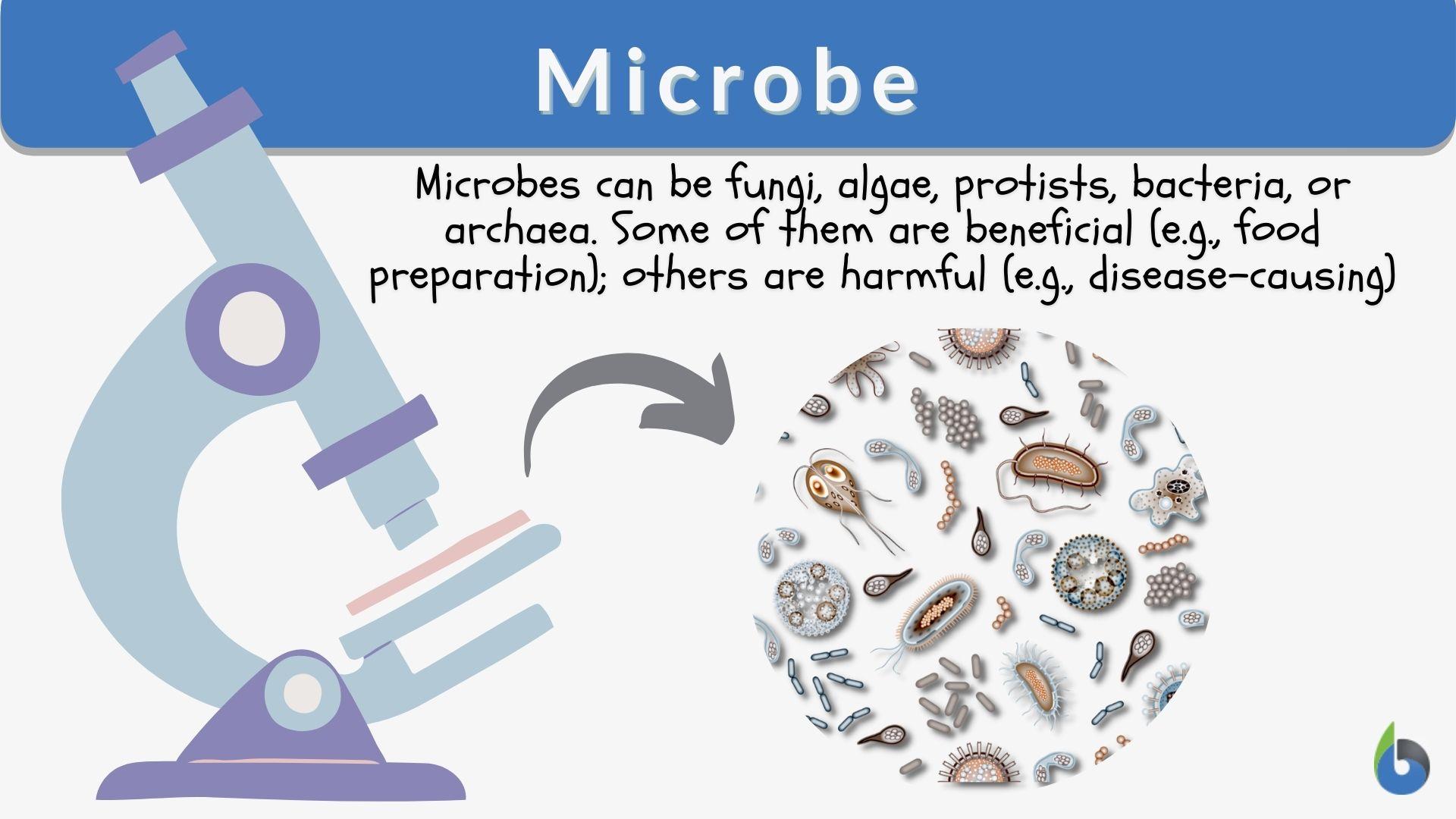
Credit: www.biologyonline.com
Microscopic Life Forms
Microscopic life forms are tiny organisms invisible to the naked eye. Microorganisms include bacteria, fungi, algae, and protozoa. They live everywhere and play key roles in nature and health.
Microscopic life forms are tiny organisms invisible to the naked eye. They live everywhere—in soil, water, air, and inside other living beings. These life forms play key roles in nature and human health.
Though small, microscopic organisms have big impacts. They help recycle nutrients, produce oxygen, and break down waste. Some cause diseases, while others protect us from harmful germs.
Bacteria
Bacteria are single-celled organisms without a nucleus. They come in many shapes like rods, spheres, and spirals. Bacteria reproduce quickly and can live in many environments.
They help break down dead plants and animals. Some bacteria fix nitrogen, which plants need to grow. Others cause infections, but many are good for our health.
Protozoa
Protozoa are single-celled with a nucleus. They can move using tiny hairs or tails. Some live freely in water or soil, while others live inside animals.
Protozoa feed on bacteria and small particles. Certain types cause diseases like malaria. Many are important in aquatic food chains.
Algae
Algae are plant-like organisms that make food through photosynthesis. They range from single cells to large seaweeds. Algae produce much of the world's oxygen.
They serve as food for many aquatic creatures. Algae also help remove carbon dioxide from the air. Some types can cause water blooms, affecting water quality.
Fungi
Fungi include yeasts and molds. They have cells with a nucleus and absorb nutrients from their surroundings. Fungi break down dead matter, recycling nutrients in ecosystems.
Some fungi are used in food and medicine. Others cause infections in plants and animals. Yeasts help make bread and alcohol through fermentation.
Viruses
Viruses are tiny particles made of genetic material and protein. They are not cells and cannot live without a host. Viruses infect plants, animals, and bacteria.
They take over host cells to make more viruses. Some viruses cause diseases like the flu and common cold. Others are used in medical research and treatments.
.jpg)
Credit: www.news-medical.net
Main Types
Microorganisms come in many forms. Each type has unique features and roles. They range from tiny single cells to complex organisms. Some live freely, while others depend on hosts. Understanding these types helps us see their impact on nature and health.
Bacteria
Bacteria are single-celled organisms without a nucleus. They have many shapes like rods, spheres, and spirals. Bacteria reproduce quickly and live almost everywhere. They help break down waste and fix nitrogen in soil. Some bacteria cause diseases in humans and animals.
Archaea
Archaea look like bacteria but have different genes. They often live in extreme places like hot springs and salty lakes. Archaea can survive where few others can. They play key roles in chemical cycles in nature.
Protozoa
Protozoa are single-celled organisms with a nucleus. Many can move using cilia or flagella. Some live freely in water or soil. Others live as parasites inside animals or humans. Protozoa help recycle nutrients in ecosystems.
Algae
Algae are plant-like microorganisms that use sunlight to make food. They can be single-celled or form large colonies. Algae produce oxygen and serve as food for many animals. They live mostly in water and moist places.
Fungi
Fungi include yeasts and molds. They have nuclei and absorb nutrients from their surroundings. Fungi break down dead material and recycle nutrients. Some fungi cause infections, while others help in food production.
Viruses
Viruses are tiny particles made of genetic material and protein. They are not cells and cannot live alone. Viruses must enter living cells to multiply. They cause many diseases in plants, animals, and humans.
Helminths
Helminths are parasitic worms, larger than other microbes. They live inside hosts like humans and animals. Helminths cause infections and can affect health. They include roundworms, tapeworms, and flukes.
Cellular Structure
Cellular structure defines how microorganisms are built and function. It varies widely among different types. Understanding these structures helps us know their roles and behaviors.
Prokaryotes
Prokaryotes are simple, single-celled organisms without a nucleus. Their DNA floats freely in the cell. Bacteria and archaea belong to this group. They have a cell wall that protects and shapes them. Some have flagella to move around. Their small size allows fast reproduction and adaptation.
Eukaryotes
Eukaryotes have complex cells with a nucleus. The nucleus holds their DNA safely inside. Protozoa, algae, and fungi are eukaryotes. They contain many organelles, like mitochondria for energy. Their larger size supports more functions. Eukaryotic cells can be single or multicellular.
Acellular Entities
Acellular entities lack a cellular structure. Viruses are the main example. They consist of genetic material inside a protein coat. Viruses cannot live or reproduce alone. They must enter a host cell to multiply. Despite being tiny, they impact health and ecosystems greatly.

Credit: www.researchgate.net
Habitats And Distribution
Microorganisms thrive in nearly every part of our planet. Their habitats vary widely, reflecting their adaptability and diversity. These tiny life forms live in environments ranging from the most common to the most extreme.
Understanding where microorganisms live helps us appreciate their role in nature and human life. Their distribution shows how life can exist in places once thought uninhabitable.
Soil
Soil hosts many microorganisms like bacteria, fungi, and protozoa. They help break down dead plants and animals. This process recycles nutrients and supports plant growth. Soil microbes also protect plants from disease.
Water
Freshwater and marine environments contain diverse microbes. Algae produce oxygen through photosynthesis in oceans and lakes. Bacteria decompose organic matter in water. Some microbes live near hydrothermal vents, surviving high heat and pressure.
Extreme Environments
Microorganisms called extremophiles live in harsh places. These include hot springs, acidic lakes, and salty deserts. Archaea often dominate these habitats. Their unique biochemistry allows survival where most life cannot.
Human And Animal Bodies
Humans and animals carry microorganisms on skin, in the gut, and elsewhere. These microbes aid digestion and protect against harmful germs. Some microbes live in balance, while others can cause disease.
Air
Microorganisms travel through the air as spores or cells. They move between places on dust particles or droplets. Airborne microbes influence weather, ecosystems, and human health.
Roles In Ecosystems
Microorganisms play vital roles in ecosystems. They support life by cycling nutrients and maintaining balance. Their activities keep ecosystems healthy and productive. These tiny organisms perform essential functions like breaking down waste, producing oxygen, and helping plants grow. Understanding their roles helps us appreciate their importance in nature.
Decomposition
Microorganisms break down dead plants and animals. This process recycles nutrients back into the soil. Without decomposition, waste would pile up and plants would lack nutrients. Bacteria and fungi are key decomposers. They convert complex materials into simpler forms that other organisms use. Decomposition keeps ecosystems clean and fertile.
Photosynthesis
Some microorganisms, like algae and cyanobacteria, perform photosynthesis. They use sunlight to make food and release oxygen. This oxygen supports animals and humans. Photosynthetic microbes form the base of many food chains. They provide energy for aquatic and terrestrial life. Their work helps regulate the Earth’s atmosphere.
Nitrogen Fixation
Certain bacteria convert nitrogen gas into usable forms for plants. This process is called nitrogen fixation. Plants need nitrogen to grow but cannot use nitrogen gas directly. Nitrogen-fixing bacteria live in soil or inside plant roots. They supply plants with essential nutrients. This symbiotic relationship boosts soil fertility naturally.
Symbiosis
Microorganisms often live in close relationships with other organisms. These partnerships are called symbiosis. Some microbes help digest food in animals. Others protect plants from diseases. Symbiotic microbes improve their hosts’ health and survival chances. These relationships create stronger, more resilient ecosystems.
Impact On Human Health
Microorganisms have a strong effect on human health. Some cause diseases that harm the body. Others help keep us healthy by supporting digestion and fighting harmful germs. Understanding their impact helps us protect ourselves and improve well-being.
Pathogens
Pathogens are microorganisms that cause illnesses. They include bacteria, viruses, fungi, and parasites. These germs can lead to infections like flu, tuberculosis, and food poisoning. Some infections spread quickly, affecting many people. The body fights pathogens using the immune system. Medicines like antibiotics help treat bacterial infections. Preventing contact and maintaining hygiene reduce the risk of diseases.
Beneficial Microbes
Not all microbes harm humans. Many are helpful and live inside the body. These good microbes aid digestion and produce vitamins. They protect against harmful germs by competing for space and nutrients. Probiotics are foods with beneficial bacteria that support gut health. Scientists study these microbes to develop treatments for illnesses. Healthy microbial balance is key to strong immunity and overall health.
Methods To Observe
Microorganisms are too small to see with the naked eye. Special tools help us observe their shape, structure, and behavior. Scientists use different methods to study these tiny life forms. Each method shows unique details about microorganisms. Understanding these techniques helps us learn more about their role in nature and health.
Light Microscopy
Light microscopy uses visible light to view microorganisms. A microscope lens magnifies the image so we can see bacteria, fungi, and protozoa. Samples can be stained to highlight specific parts. This method is simple and widely used in schools and labs. It shows living cells and basic structures but cannot reveal very small details.
Electron Microscopy
Electron microscopy uses a beam of electrons instead of light. It offers much higher magnification and resolution. Scientists can see tiny details like virus shapes and cell organelles. There are two main types: transmission electron microscopy (TEM) and scanning electron microscopy (SEM). TEM shows internal structures, while SEM shows surface details. This method needs special preparation and is used in advanced research.
Frequently Asked Questions
What Are Microorganisms In Short Answer?
Microorganisms are tiny living organisms visible only through a microscope. They include bacteria, fungi, protozoa, algae, viruses, and archaea. These diverse forms play essential roles in ecosystems, health, and industry. Viruses, though not living, are often classified as microorganisms due to their microscopic size and impact.
What Are The 7 Examples Of Microorganisms?
The seven examples of microorganisms are bacteria, archaea, protozoa, algae, fungi, viruses, and helminths.
What Best Describes Microorganisms?
Microorganisms are tiny living organisms visible only under a microscope. They include bacteria, fungi, protozoa, algae, viruses, and helminths. Viruses are acellular and need host cells to reproduce. These diverse microbes play crucial roles in ecosystems, health, and disease.
Who Is A Microorganism?
A microorganism is a tiny living organism visible only through a microscope. It includes bacteria, fungi, protozoa, algae, viruses, and helminths. These organisms have diverse roles in ecosystems, health, and industry.
Conclusion
Microorganisms are tiny living things we cannot see with bare eyes. They live everywhere—in water, soil, and even inside our bodies. Some help us by breaking down waste and making food like yogurt. Others can cause diseases, so we must keep clean.
Understanding microorganisms helps us stay healthy and protect nature. These small creatures play big roles in life’s balance. They show us how even the smallest beings impact our world daily.


No comments