Transpiration in Plants
Have you ever wondered how plants stay cool and healthy under the hot sun? The secret lies in a fascinating process called transpiration.
Transpiration in plants is more than just water loss—it’s a vital mechanism that helps plants absorb nutrients, regulate temperature, and stay strong. If you want to understand how this invisible dance of water keeps your garden thriving or why plants wilt when conditions change, you’re in the right place.
Keep reading, and you’ll discover how transpiration works, why it’s so important, and what factors can affect it. This knowledge will change the way you see every leaf and stem around you.
Credit: byjus.com
Transpiration Process
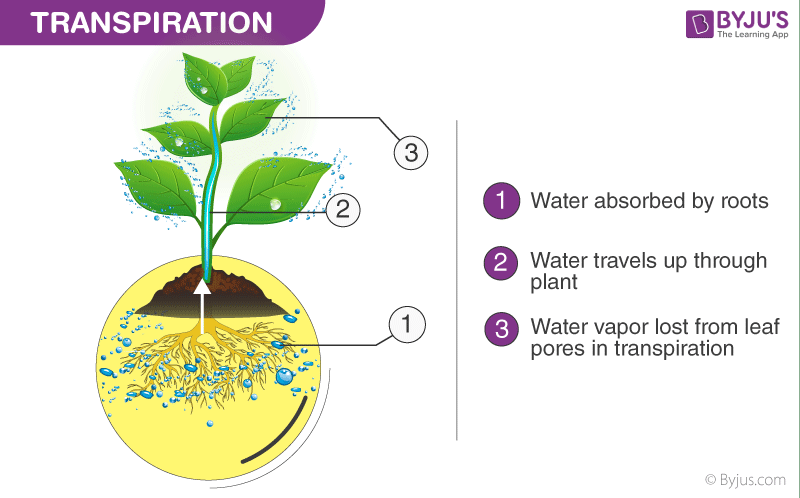
Transpiration is a vital process in plants that moves water from roots to leaves. It involves water absorption, upward transport, and release as vapor. This process helps plants stay cool and transport nutrients effectively. Understanding how transpiration works reveals its role in plant health and growth.
Water Absorption And Movement
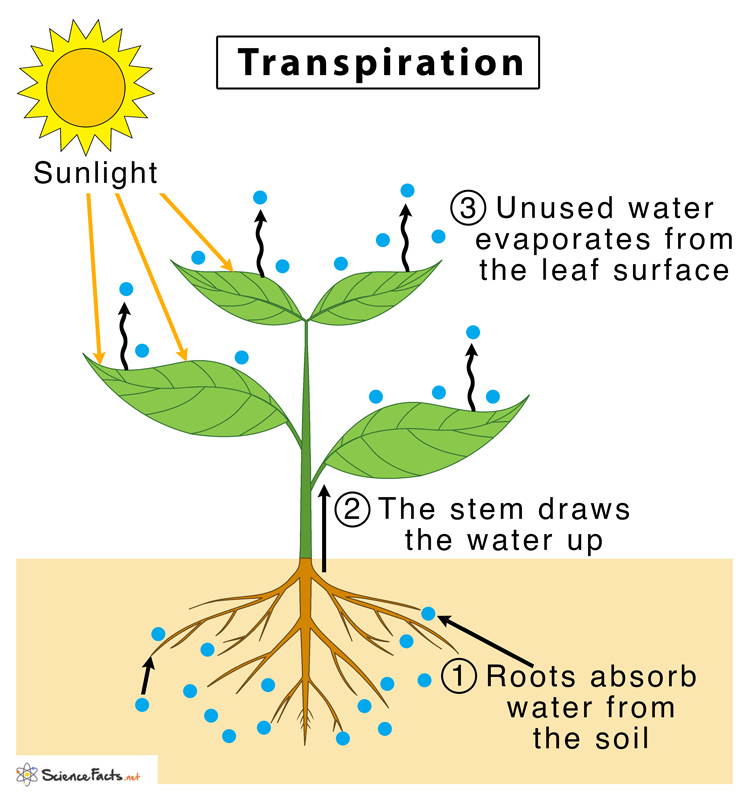
Roots absorb water from the soil through tiny root hairs. Water moves from the soil into the root cells by osmosis. Then, it travels upward through the xylem vessels. These vessels act like tubes, carrying water to all parts of the plant. This movement is continuous and supports various plant functions.
Water Vapor Release
Water reaches the leaves and gathers in small spaces inside them. It changes into vapor and escapes through tiny openings called stomata. These pores open and close to control water loss. Most water leaves the plant this way. This release of water vapor is essential to maintain plant balance.
Transpiration Pull Mechanism
As water vapor exits the leaves, it creates a pull on the water column inside the xylem. This pull is called transpiration pull. It draws more water from the roots upward. This mechanism helps transport minerals and nutrients dissolved in water. It works like a natural pump, supporting the plant’s life processes.

Credit: cid-inc.com
Types Of Transpiration
Transpiration in plants occurs in different forms. Each type plays a role in water loss and plant health. Understanding these types helps in grasping how plants manage water. The four main types include stomatal, cuticular, lenticular, and bark transpiration. Each varies by the plant part involved and the method of water release.
Stomatal Transpiration
Stomatal transpiration is the most common type. Water vapor escapes through tiny pores called stomata. These pores are mainly on the leaf underside. They control water loss and gas exchange. Stomatal opening depends on light and humidity. This type accounts for nearly 90% of total water loss.
Cuticular Transpiration
Cuticular transpiration happens through the leaf's outer layer, the cuticle. The cuticle is a waxy, waterproof layer. Water loss here is much less than stomatal loss. It occurs mainly when stomata are closed. This process protects the plant during dry conditions.
Lenticular Transpiration
Lenticular transpiration takes place via lenticels. Lenticels are small openings on stems and roots. They allow gas exchange and some water vapor release. This type is less significant than stomatal transpiration. It becomes important in woody plants with thick bark.
Bark Transpiration
Bark transpiration involves water loss through the bark surface. It is often grouped with lenticular transpiration. The water loss here is minimal but steady. Bark transpiration helps maintain moisture balance in woody stems. It occurs mainly in older plants with rough bark.
Functions Of Transpiration
Transpiration plays a vital role in plant life. It is not just water loss but a process with multiple key functions. These functions help plants grow, stay healthy, and survive in changing environments. Understanding these roles clarifies why transpiration is essential for plants.
Nutrient Transport
Transpiration helps move water from roots to leaves. This water carries essential minerals dissolved in it. As water evaporates from leaves, it creates a pull that draws more water upward. This process ensures nutrients reach all parts of the plant for growth and development.
Temperature Regulation
Plants use transpiration to cool themselves. Water vapor leaving the leaf surface takes heat away. This cooling effect protects plants from overheating. It keeps the internal temperature stable, which is crucial for enzyme function and overall health.
Maintaining Cell Turgidity
Transpiration helps maintain the pressure inside plant cells. This pressure, called turgor, keeps cells firm and supports the plant structure. Without enough water, cells lose turgor and plants wilt. Transpiration ensures water flows continuously to keep cells full and rigid.
Factors Influencing Transpiration
Transpiration in plants depends on several key factors. These factors control how much water vapor plants lose through their leaves. Changes in the environment can speed up or slow down this process. Understanding these influences helps explain how plants survive and grow.
Effect Of Temperature
Higher temperatures increase the rate of transpiration. Warm air causes water inside leaves to evaporate faster. Plants lose more water when it is hot. Cooler temperatures slow down this water loss.
Impact Of Humidity
Humidity means the amount of water vapor in the air. When humidity is high, transpiration slows down. The air holds more moisture, so less water escapes from leaves. Dry air speeds up transpiration because it pulls moisture from the plant.
Role Of Air Movement
Wind or air movement removes water vapor near leaf surfaces. This helps plants release water faster. Calm air creates a humid layer around leaves, slowing transpiration. Stronger air movement keeps this layer thin, increasing water loss.
Influence Of Light Intensity
Light stimulates the opening of stomata, tiny pores on leaves. More light means stomata open wider, raising transpiration rates. Darkness causes stomata to close, reducing water loss. Bright sunlight usually leads to higher transpiration.
Effects Of Excessive Transpiration
Excessive transpiration can harm plants by causing too much water loss. Plants lose water faster than they can absorb it. This situation stresses the plant and affects its normal functions. Understanding how plants react to too much transpiration helps in managing their health better.
Stomatal Closure
Stomata are small pores on leaves that allow water to escape. When transpiration is too high, plants close these pores. Closing stomata reduces water loss but also limits gas exchange. This can slow down photosynthesis and affect plant growth.
Reduced Water Uptake
As plants lose water quickly, their roots struggle to keep up. Reduced water uptake means less water moves from soil to leaves. This shortage causes wilting and weakens the plant’s structure. The plant becomes vulnerable to damage and disease.
Plant Stress Responses
Excessive water loss triggers stress responses in plants. They may produce stress hormones like abscisic acid. These hormones signal the plant to conserve water and protect tissues. Over time, stress can reduce crop yield and plant vitality.
Credit: www.sciencefacts.net
Frequently Asked Questions
What Happens If Transpiration Is Too High?
Excessive transpiration causes rapid water loss, leading plants to close stomata. This reduces water uptake and can cause wilting or stress.
What Are The Five Factors Affecting Transpiration?
Five factors affecting transpiration are temperature, humidity, air movement, light intensity, and stomatal opening. Higher temperature, air movement, light intensity, and stomatal opening increase transpiration, while higher humidity decreases it. These factors influence water loss and nutrient transport in plants.
What Are The 4 Types Of Transpiration?
The four types of transpiration are stomatal, cuticular, lenticular, and bark transpiration. Stomatal transpiration occurs through leaf pores. Cuticular transpiration happens via the leaf’s waxy surface. Lenticular transpiration involves water loss through bark openings called lenticels. Bark transpiration occurs through the general bark surface.
What Are The Functions Of Transpiration?
Transpiration helps absorb and transport water and minerals from roots to leaves. It cools the plant and maintains nutrient flow.
Conclusion
Transpiration plays a vital role in plant life and growth. It helps plants absorb water and nutrients from the soil. This process also cools the plant and keeps it healthy. Water vapor leaves mainly through tiny pores called stomata. Many factors like temperature and humidity affect transpiration rates.
Understanding transpiration helps us appreciate how plants survive and thrive. It is a natural and continuous cycle essential for plant health and the environment.


No comments