Nervous System Functions
Have you ever wondered how your body reacts instantly when you touch something hot or how you can remember your best friend’s face? It’s all thanks to your nervous system—the incredible network working behind the scenes every second.
Your nervous system doesn’t just help you move or feel; it controls everything from your heartbeat to your thoughts and emotions. Understanding its functions can give you a clearer picture of how your body stays balanced and responds to the world around you.
Ready to discover the five key roles your nervous system plays in keeping you alive, aware, and in control? Let’s dive in!
Sensory Input
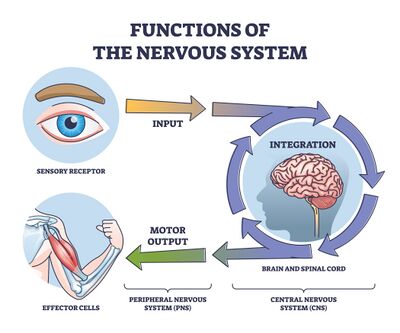
The nervous system constantly collects information to keep the body aware and responsive. Sensory input is the first step in this process. It involves gathering signals from both outside and inside the body. These signals help the brain understand the environment and the body's condition. Without sensory input, the brain would have no data to act on.
Detecting External Stimuli
The nervous system detects changes in the environment. These changes can be light, sound, temperature, or touch. Specialized cells called sensory receptors pick up these signals. They convert physical energy into electrical signals. These signals travel to the brain and spinal cord. This allows the body to react quickly to outside threats or opportunities.
Sensing Internal Changes
Sensory input also monitors the body's internal state. It tracks things like blood pressure, oxygen levels, and body temperature. Sensors inside organs send this data to the brain. This helps keep the body balanced and healthy. For example, if blood pressure drops, the brain signals the heart to beat faster.
Types Of Sensory Receptors
There are several types of sensory receptors. Mechanoreceptors sense pressure and touch. Thermoreceptors detect temperature changes. Photoreceptors respond to light and help with vision. Chemoreceptors pick up chemical signals, such as taste and smell. Nociceptors detect pain and warn the body of harm. Each receptor type plays a unique role in gathering sensory input.
Information Integration
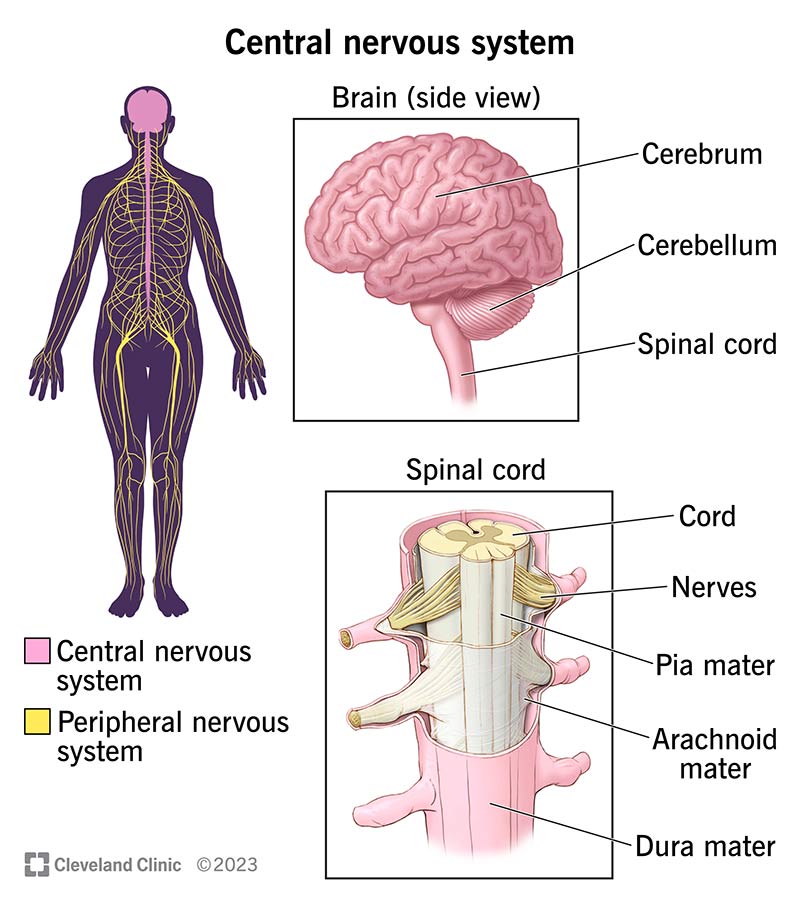
The nervous system integrates vast amounts of information every moment. This process allows the body to react appropriately to changes inside and outside. Integration combines sensory data and past experiences to guide responses. It happens mainly in the brain and spinal cord, forming the core of nervous system functions.
Processing Sensory Data
Sensory organs gather information from the environment. Signals travel through nerves to the brain and spinal cord. Here, the nervous system sorts and interprets these signals. It filters important data from background noise. This step helps the body understand what is happening around it. For example, it distinguishes between hot and cold or loud and soft sounds. Processing sensory data is crucial for survival and daily activities.
Decision Making In Brain And Spinal Cord
The brain and spinal cord work together to decide responses. They analyze sensory input and compare it with stored information. This process forms decisions that control actions and reactions. The brain handles complex choices, like planning and problem-solving. The spinal cord manages quick reflexes for immediate response. This division speeds up the body's reaction to danger or change. Decision making in the nervous system ensures the body acts effectively and safely.
Motor Output
Motor output is a vital function of the nervous system. It sends signals to the body to create movement or action. These signals travel from the brain and spinal cord to muscles and glands. Motor output helps us react to our environment and maintain body functions.
This process controls both voluntary and involuntary actions. It allows us to move our arms, walk, and perform tasks. At the same time, it manages automatic actions like heartbeat and digestion.
Activating Muscles
The nervous system sends electrical signals to muscles. These signals tell muscles when to contract or relax. Muscle activation causes movement of body parts. This includes simple actions like blinking and complex ones like running. Proper muscle control depends on accurate motor output.
Stimulating Glands
Motor output also controls glands in the body. It signals glands to release hormones or other substances. These secretions regulate many body functions. For example, sweat glands help cool the body. Salivary glands aid in digestion. Gland stimulation keeps the body balanced and healthy.
Voluntary And Involuntary Actions
Voluntary actions are movements you control consciously. Examples include writing, talking, and walking. The brain sends deliberate commands to muscles for these actions. Involuntary actions happen without conscious control. They include heartbeats, breathing, and digestion. The nervous system manages both types seamlessly to keep the body functioning well.

Credit: courses.lumenlearning.com
Homeostatic Regulation
The nervous system plays a vital role in maintaining the body's internal balance. This process is known as homeostatic regulation. It keeps the body's environment stable despite changes outside. The nervous system constantly monitors and adjusts key functions to support health and survival.
Homeostatic regulation involves controlling temperature, heart rate, blood pressure, breathing, and hunger. These functions work together to keep the body functioning properly. The nervous system sends signals to organs and tissues to correct any imbalances. This section explains how these controls operate.
Temperature Control
The nervous system detects changes in body temperature through sensors in the skin and brain. If the body is too hot, it triggers sweating and blood vessel dilation. If too cold, it causes shivering and blood vessel constriction. These responses help keep the body's temperature within a safe range.
Heart Rate And Blood Pressure
The nervous system controls heart rate to ensure enough blood reaches all parts of the body. It speeds up the heart during activity and slows it during rest. Blood pressure is also regulated by adjusting the size of blood vessels. These actions maintain proper blood flow and oxygen supply.
Breathing And Hunger
Breathing rate changes to balance oxygen and carbon dioxide levels in the blood. The nervous system increases breathing during exercise and slows it during rest. It also regulates hunger by signaling when the body needs food. This ensures energy levels stay stable for daily activities.
Cognition And Consciousness
The nervous system controls how we think and feel. It helps us learn new things and stay aware of ourselves and the world. Cognition and consciousness are key functions that let us understand, remember, and be aware. These complex processes happen in the brain, guiding our daily actions and decisions.
Learning And Memory
Learning means gaining new knowledge or skills. The nervous system stores this information as memory. Memories help us recall facts and experiences. The brain changes its connections to keep memories safe. This process is essential for adapting to new situations and solving problems.
Thought Processes
Thought processes involve how we solve problems and make decisions. The brain organizes information and forms ideas. It compares new data with past experiences. This helps us plan actions and understand complex concepts. Clear thinking depends on healthy brain function.
Awareness And Consciousness
Awareness is knowing what is happening inside and outside the body. Consciousness means being awake and aware of oneself and the environment. The nervous system controls these states through brain activity. Changes in consciousness can affect perception and behavior. Staying conscious helps us interact safely with the world.
Credit: my.clevelandclinic.org
Emotional And Stress Responses
The nervous system controls many body activities without conscious effort. These automatic functions keep us alive and healthy. They work quietly in the background. You don’t need to think about them. The system manages vital tasks like breathing, digestion, and sleep cycles. These processes happen smoothly and continuously. They help maintain the body's balance and energy.
Breathing Regulation
The nervous system controls breathing automatically. It adjusts the breath rate based on oxygen and carbon dioxide levels. This regulation happens in the brainstem. It detects changes in blood gases and sends signals to breathing muscles. This process keeps oxygen flowing to organs. It also removes carbon dioxide from the body. Breathing happens without any conscious effort.
Digestive Processes
Digestion is another automatic function managed by the nervous system. It controls muscles that move food through the digestive tract. Nerves signal glands to release digestive juices. These juices break down food into nutrients. The system also controls absorption of nutrients into the blood. It helps coordinate bowel movements as well. This regulation ensures digestion runs smoothly and efficiently.
Sleep And Rest Cycles
The nervous system regulates sleep and rest automatically. It controls the body's internal clock, called the circadian rhythm. This clock tells the body when to sleep and wake. Nerve signals influence hormone release to promote sleep. Rest cycles help the body repair and recharge. Proper regulation improves memory, mood, and overall health. The system keeps these cycles balanced without any conscious effort.
Credit: www.physio-pedia.com
Frequently Asked Questions
What Are The 5 Major Functions Of The Nervous System?
The five major functions of the nervous system are sensory input, integration, motor output, homeostasis, and cognition. Sensory input gathers information. Integration processes data. Motor output triggers actions. Homeostasis maintains internal balance. Cognition handles thinking, memory, and emotions.
What Are The 7 Functions Of The Nervous System?
The seven functions of the nervous system are sensory input, information processing, motor output, homeostasis regulation, cognition, emotional response, and automatic body functions. It senses stimuli, processes data, controls movement, maintains balance, enables thought, manages emotions, and regulates involuntary actions like breathing.
What Are Three Main Things The Nervous System Does?
The nervous system senses stimuli from the environment and body. It processes and integrates this information. It sends signals to control movement and maintain internal balance.
How Many Functions Are In The Nervous System?
The nervous system has seven main functions: sensory input, information processing, motor output, homeostasis regulation, cognition, emotional response, and automatic bodily control. These functions coordinate the body’s reactions, maintain internal balance, and support complex activities like thinking and memory.
Conclusion
The nervous system controls many vital body functions every second. It senses changes inside and outside the body. Then, it processes this information quickly to decide what to do. It sends signals to muscles and glands to act. It also keeps the body balanced, like regulating temperature and heart rate.
Beyond basic tasks, it helps with thinking, memory, and emotions. This system connects all parts of the body to work as one. Understanding its functions helps us appreciate how our body stays alive and responsive. The nervous system truly is the body's communication network.


No comments