Sound Waves in Physics
Have you ever wondered how sound travels from your favorite song playing on your phone to your ears? Sound waves are the invisible messengers that carry these vibrations through the air, letting you experience music, conversations, and nature’s sounds every day.
Understanding sound waves in physics isn’t just about science—it’s about unlocking the secrets behind what you hear and how it affects your world. You’ll discover what sound waves really are, how they move, and why they behave the way they do.
By the end, you’ll see sound in a whole new light and appreciate the physics that shapes your everyday listening experience. Ready to dive into the fascinating world of sound waves? Let’s get started.
Nature Of Sound Waves
Sound waves are a vital part of how we hear and communicate. These waves travel through air, water, and solids by making particles vibrate. Understanding their nature helps explain many everyday sounds and how devices like speakers work.
Sound waves move in a special way called longitudinal waves. They have key properties like frequency, wavelength, amplitude, and intensity. These properties shape the sounds we hear, from a whisper to a loud horn.
Longitudinal Wave Characteristics
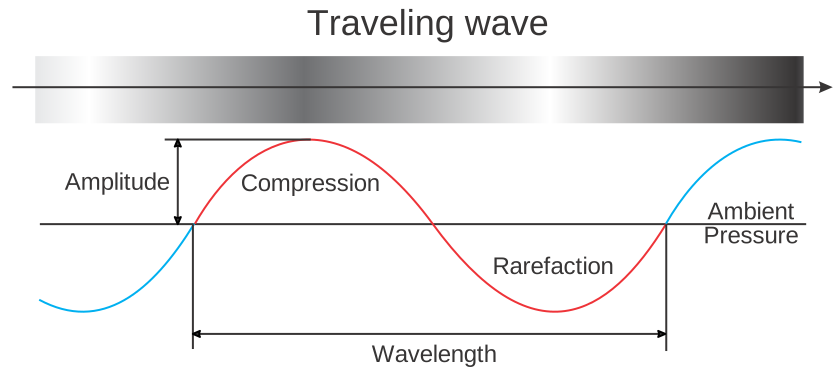
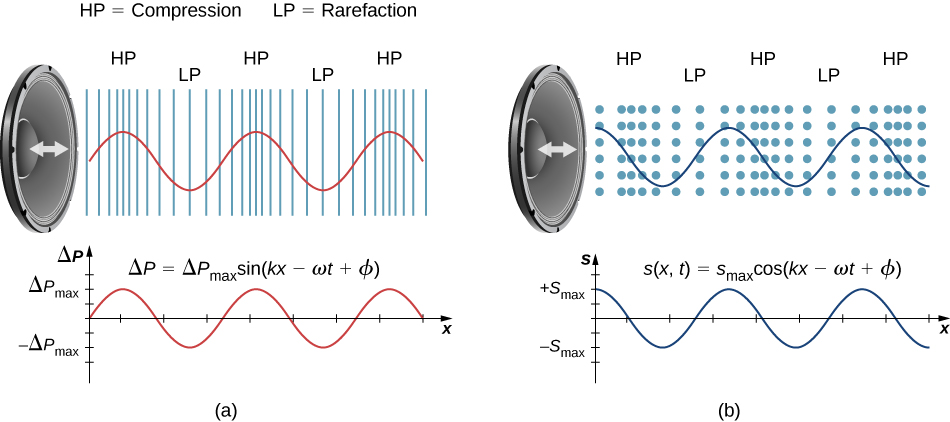
Sound waves are longitudinal waves. This means particles in the medium move back and forth in the same direction as the wave travels. They create areas of compression and rarefaction. Compression is where particles are close together. Rarefaction is where particles spread apart. This movement carries the sound energy through the medium.
Frequency And Wavelength
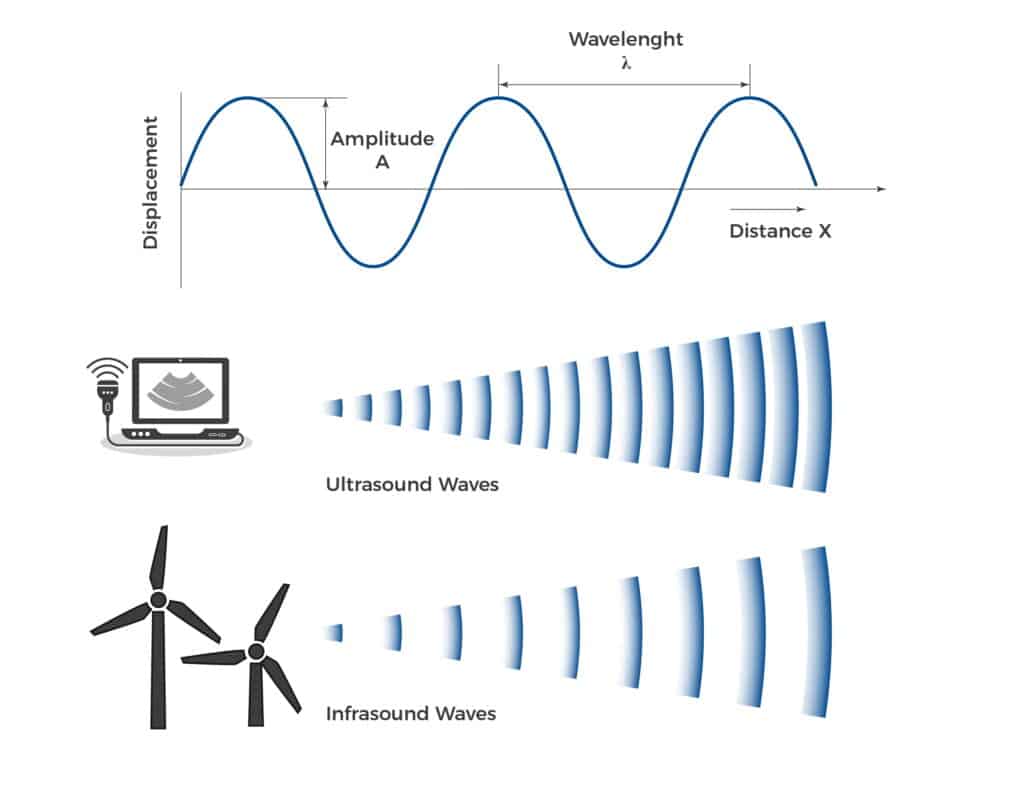
Frequency is how many sound wave cycles pass a point each second. It is measured in hertz (Hz). Higher frequency sounds are higher pitched, like a whistle. Lower frequency sounds are lower pitched, like a drum. Wavelength is the distance between two compressions or rarefactions. Frequency and wavelength have an inverse relationship. When frequency goes up, wavelength gets shorter, and vice versa.
Amplitude And Intensity
Amplitude is the height of the wave from its resting position. It shows how strong the sound wave is. Larger amplitude means a louder sound. Intensity measures the energy the wave carries per second over an area. It depends on amplitude and the medium's properties. Louder sounds have greater intensity and higher amplitude.
Credit: svantek.com
Propagation Of Sound
Sound travels as waves through different materials by vibrating particles. This movement is called the propagation of sound. The waves push and pull particles in the medium, creating regions of compression and rarefaction. These vibrations carry energy from the source to the listener’s ear. Understanding how sound moves helps explain many natural and technological phenomena.
Sound In Different Mediums
Sound needs a medium to travel. It cannot move through a vacuum because there are no particles to vibrate. In solids, particles are tightly packed, so sound travels fastest. In liquids, particles are less close, so sound slows down. In gases like air, sound moves even slower due to the larger spaces between particles. The type of medium affects how clearly and quickly sound reaches you.
Speed Of Sound Factors
The speed of sound changes with temperature, humidity, and pressure. Higher temperatures make particles move faster, speeding up sound. More humidity means more water vapor in the air, which also increases sound speed. Pressure has little effect at constant temperature because air density and elasticity change proportionally. The sound frequency or pitch does not change the speed of sound.
Reflection, Refraction, And Diffraction
Sound waves can bounce off surfaces, creating echoes. This is reflection. When sound passes from one medium to another, it bends due to refraction. This bending changes the direction and speed of sound waves. Diffraction occurs when sound waves spread out around obstacles or through openings. These effects explain why you hear sounds around corners or why echoes happen in large halls.
Types Of Acoustic Waves
Acoustic waves come in various types. Each type behaves differently and serves unique purposes. Understanding these types helps us grasp how sound travels and interacts with environments.
These waves vary by frequency, direction, and the medium they move through. Some are too low or too high for humans to hear. Others move along surfaces or inside materials.
Infrasound And Ultrasound
Infrasound waves have frequencies below 20 Hz. Humans cannot hear these low-frequency sounds. Nature and machines produce infrasound, like earthquakes and explosions.
Ultrasound waves have frequencies above 20,000 Hz. These high-frequency sounds are used in medical imaging and cleaning tools. Animals like bats use ultrasound to navigate in the dark.
Surface Waves
Surface waves travel along the boundary between two different materials. For example, they move along the surface of water or the Earth. These waves carry energy with less loss than waves traveling through air.
Surface waves often cause shaking during earthquakes. They move slower than other waves but can cause more damage because of their motion.
Transverse Vs Longitudinal Waves
Transverse waves move particles perpendicular to the wave direction. Light waves are a common example. These waves cannot travel through fluids like air or water.
Longitudinal waves move particles parallel to the wave direction. Sound waves in air are longitudinal. They compress and expand the medium as they travel, creating vibrations we hear as sound.
Sound Wave Interactions
Sound waves interact in many fascinating ways. These interactions change how we hear sounds. Understanding these effects helps explain everyday experiences. Sound wave interactions include interference, the Doppler effect, and resonance. Each reveals unique behaviors of sound in different environments.
Interference And Beats
Interference happens when two sound waves meet. They can add up or cancel out. This creates louder or softer sounds. Beats occur when two waves have close frequencies. The sound seems to pulse or throb. Musicians use beats to tune instruments precisely.
Doppler Effect
The Doppler effect changes sound pitch based on movement. When a sound source moves closer, pitch rises. When it moves away, pitch lowers. This effect explains why sirens change tone as they pass. It also helps in radar and medical imaging.
Resonance Phenomena
Resonance happens when sound matches an object's natural frequency. The object vibrates strongly and amplifies the sound. This effect causes musical instruments to produce rich tones. It can also cause damage if vibrations get too strong. Resonance plays a key role in many sound technologies.
Applications Of Sound Waves
Sound waves play a vital role beyond just hearing. They find many uses in science and daily life. These waves help us see inside the body, design better buildings, and monitor the environment. Understanding their applications shows how physics touches many fields.
Medical Imaging And Ultrasound
Ultrasound uses high-frequency sound waves to create images of the inside body. Doctors use it to check babies in the womb. It also helps detect problems in organs like the heart and liver. Ultrasound is safe and painless, making it popular for medical exams.
Acoustic Engineering
Acoustic engineers study sound to improve how places sound. They design concert halls to make music clear and rich. Soundproofing walls and rooms reduce noise pollution. This field helps create better speakers, microphones, and hearing aids.
Environmental And Industrial Uses
Sound waves help monitor the environment by detecting changes underwater and in the air. Scientists use sonar to map the ocean floor and track marine life. Industries use sound to find cracks in materials and check machine health. This prevents accidents and saves costs.
Effects Of Sound On Humans
Sound waves impact humans in many ways beyond just hearing. These effects can be physical, psychological, or even physiological. Understanding these impacts helps us protect our health and improve our environments. Sound influences mood, body functions, and overall well-being.
Physical And Psychological Impacts
Sound affects the body and mind in various ways. Loud noises can cause headaches, dizziness, and ear pain. Continuous noise may lead to fatigue and stress. Some sounds trigger anxiety and irritability. Quiet, pleasant sounds can improve focus and relaxation. Noise pollution harms mental health and sleep quality. The connection between sound and emotions is strong.
Infrasound Exposure
Infrasound refers to sound waves below 20 Hz, too low for human ears. These waves can cause discomfort like nausea and body vibrations. People exposed to infrasound report headaches and difficulty concentrating. Some may feel anxiety or mood changes. Sources include wind turbines, heavy machinery, and natural events. Research is ongoing to understand long-term health effects.
Hearing Range And Damage
Humans hear sounds between 20 Hz and 20,000 Hz. Sounds above 85 decibels can harm hearing over time. Loud music, machinery, and explosions risk permanent damage. Hearing loss often starts with difficulty hearing high frequencies. Tinnitus, or ringing in the ears, is common after loud noise. Protecting ears with limits and earplugs reduces damage risk.
Measurement And Analysis
Measuring and analyzing sound waves is vital in physics. It helps us understand how sound behaves and interacts with the environment. Accurate measurements reveal the strength and quality of sound. Analysis breaks down complex sound waves into simpler parts. This process guides many applications, from engineering to medicine.
Sound Intensity And Decibels
Sound intensity shows how powerful a sound wave is. It depends on the energy carried by the wave per unit area. We measure intensity in watts per square meter (W/m²). The decibel (dB) scale expresses sound intensity in a way humans perceive. Decibels use a logarithmic scale to handle wide ranges of sound levels. A small increase in decibels means a large increase in intensity. Normal conversation is around 60 dB, while a loud rock concert may reach 120 dB. Measuring decibels helps protect hearing and control noise pollution.
Frequency Analysis
Frequency tells how many times a sound wave vibrates each second. It is measured in hertz (Hz). Frequency analysis breaks down sounds into their basic tones or frequencies. This reveals pitch and tone quality. Tools like Fourier Transform separate complex sounds into simple sine waves. This method is essential in music, speech recognition, and acoustic research. Frequency analysis helps identify unwanted noise or detect problems in machinery.
Instrumentation And Techniques
Scientists use various instruments to measure sound waves. Microphones convert sound into electrical signals. Sound level meters measure intensity and display decibel values. Oscilloscopes show wave shapes on a screen in real time. Spectrum analyzers perform frequency analysis for detailed studies. Advanced techniques include laser Doppler vibrometry and acoustic cameras. These tools improve accuracy and provide visual data. Proper calibration ensures reliable and consistent results.
Credit: method-behind-the-music.com
Credit: courses.lumenlearning.com
Frequently Asked Questions
What Are The 4 Different Sound Waves?
The four different sound waves are longitudinal, transverse, surface, and standing waves. Each varies in propagation and application.
What Does Infrasound Do To Humans?
Infrasound can cause dizziness, nausea, headaches, fatigue, anxiety, sleep disruption, and difficulty concentrating in humans. It may also affect heart rate and breathing. Sensitivity varies by individual, and research continues on its full impact.
What Are The 7 Types Of Waves?
The 7 types of waves are: mechanical, electromagnetic, sound, seismic, surface, transverse, and longitudinal waves. Each type transfers energy differently.
How Do You Explain Sound Waves?
Sound waves are vibrations that travel through air or materials as longitudinal waves. They carry sound by compressing and rarefying particles. Humans hear these waves when they reach the ear, converting vibrations into signals the brain understands. Sound waves vary in frequency, affecting pitch and volume.
Conclusion
Sound waves play a vital role in how we hear and communicate. They travel through air and other materials by vibrating particles. Understanding sound waves helps explain everyday sounds and music. They also have uses in medicine and technology. Studying sound waves reveals how energy moves through different mediums.
Knowing their properties helps in designing better audio devices. Sound waves show the link between physics and daily life. Exploring them makes science more interesting and practical.


No comments