Rna Vs Dna Difference
When you dive into the world of genetics, understanding the difference between RNA and DNA is key to unlocking how life works at a molecular level. You might wonder—what sets RNA apart from DNA, and why does your body use both?
DNA and RNA may look similar, but they have distinct roles that are crucial for your cells to function properly. You’ll discover the clear differences between these two molecules—from their structure and location to their unique jobs inside your body.
By the end, you’ll see why RNA is like a versatile messenger, while DNA acts as the reliable blueprint. Ready to unravel the mystery of RNA vs DNA? Let’s get started.
Credit: old-ib.bioninja.com.au
Sugar Differences
Structural variations between DNA and RNA form the basis of their different roles in cells. These differences affect how they store and use genetic information. Understanding their structures helps explain why DNA is stable and RNA is more flexible.
Each molecule’s shape and form support its unique functions. DNA’s double helix provides strength and protection. RNA’s single strand allows it to perform many tasks quickly.
Double Helix Of Dna
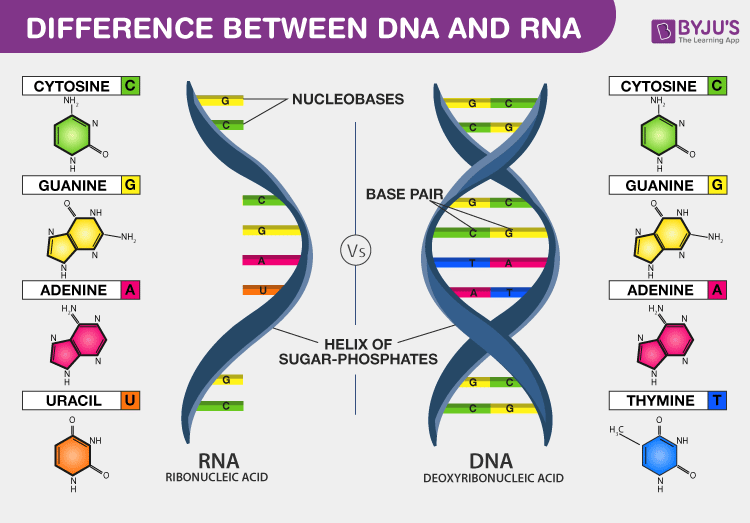
DNA consists of two strands twisted into a double helix. The strands run in opposite directions, held together by base pairs. This shape makes DNA very stable. It protects the genetic code from damage. The double helix also allows DNA to replicate accurately during cell division.
Single Strand Of Rna
RNA is usually a single strand, not a double helix. This single strand can fold into various shapes. These shapes help RNA interact with other molecules. RNA’s structure allows it to move easily within the cell. It can carry messages and help build proteins.
Functional Implications
The double helix structure of DNA makes it ideal for long-term storage. DNA holds all the instructions a cell needs. RNA’s single strand and flexibility enable it to act quickly. It transfers information and assists in protein creation. This difference is key to how life works at the molecular level.
Structural Variations
The functional roles of DNA and RNA highlight their unique importance in living cells. DNA holds the instructions for all cellular functions. RNA helps carry out these instructions, especially in making proteins. Their roles work together to keep life active and growing.
Dna As Genetic Blueprint
DNA stores all genetic information in cells. It is stable and stays mainly in the nucleus. This stability protects DNA from damage. The sequence of DNA bases acts as a code. This code guides cell growth, development, and reproduction. DNA’s job is to pass this code to new cells. It ensures traits are inherited from parents to offspring.
Rna In Protein Synthesis
RNA plays a key role in making proteins. It copies instructions from DNA and brings them to the cell’s machinery. This process is called protein synthesis. RNA reads the DNA code and helps build proteins from amino acids. Proteins are essential for body structure and function. RNA acts as a messenger and helper during this process.
Types Of Rna And Their Jobs
There are different types of RNA, each with a special job. Messenger RNA (mRNA) carries the genetic code from DNA. Transfer RNA (tRNA) brings amino acids to the growing protein chain. Ribosomal RNA (rRNA) forms part of the ribosome, where proteins are made. Together, these RNA types ensure proteins are built correctly and efficiently.
Nitrogenous Bases
Cells rely on RNA for many important jobs. RNA acts as a messenger and helper, carrying out instructions from DNA. It works quickly and adapts to changing needs inside the cell. Understanding why cells use RNA reveals its vital role in life’s processes.
Versatility Of Rna
RNA can perform many functions inside the cell. It carries genetic codes from DNA to make proteins. Some types of RNA help build proteins directly. Others control when and how genes are turned on or off. This flexibility helps cells respond to different situations fast.
Temporary Nature
RNA molecules are short-lived and break down after use. This temporary life allows cells to change activities quickly. It prevents old instructions from staying active too long. RNA’s fleeting existence helps keep cell functions up-to-date and efficient.
Mobility For Cellular Tasks
RNA moves easily between the nucleus and cytoplasm. It carries information from DNA in the nucleus to the protein factories in the cytoplasm. This mobility supports fast communication within the cell. RNA’s ability to travel helps cells work smoothly and without delay.

Credit: www.expii.com
Functional Roles
RNA plays many important roles inside the cell. It acts as a messenger, a helper, and a regulator in the process of making proteins. Unlike DNA, RNA moves between the nucleus and the cytoplasm to carry out its tasks. Each type of RNA has a specific job that helps the cell function properly.
Messenger Rna (mrna)
mRNA carries the genetic code from DNA to the ribosomes. It is like a recipe that tells the cell how to build proteins. The ribosomes read the mRNA sequence to link amino acids in the right order. This process is called translation.
Transfer Rna (trna)
tRNA brings amino acids to the ribosomes during protein synthesis. Each tRNA matches a specific three-letter code on the mRNA. It helps connect the right amino acid to the growing protein chain. This ensures proteins are made correctly.
Ribosomal Rna (rrna)
rRNA is a key part of ribosomes, the cell’s protein factories. It helps hold the ribosome's structure together. rRNA also plays a role in joining amino acids to form proteins. Without rRNA, the ribosome could not work efficiently.
Regulatory Rna
Regulatory RNA controls gene activity and protein production. It can turn genes on or off by interacting with DNA or other RNA molecules. This type of RNA helps the cell respond to changes and keep balance. Small RNAs like microRNA (miRNA) are examples of regulatory RNA.
Credit: byjus.com
Frequently Asked Questions
What Are 5 Differences Between Dna And Rna?
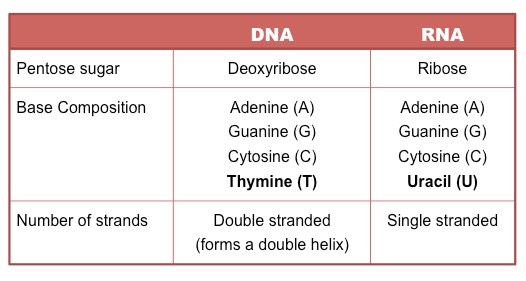
DNA contains deoxyribose sugar; RNA contains ribose sugar. DNA is double-stranded; RNA is single-stranded. DNA uses thymine; RNA uses uracil. DNA stores genetic information; RNA assists protein synthesis. DNA stays in the nucleus; RNA moves to the cytoplasm.
Why Do We Use Rna Instead Of Dna?
Cells use RNA instead of DNA for flexible, short-term tasks. RNA carries messages, builds proteins, and regulates genes quickly. Its single-stranded, less stable structure allows fast production and degradation. DNA remains stable for long-term genetic storage but does not support rapid cellular responses like RNA.
What Is The Main Function Of Dna And Rna?
DNA stores and preserves genetic information for an organism's lifetime. RNA translates this information to build proteins essential for cellular functions.
Which Virus, Dna Or Rna, Is More Harmful?
RNA viruses often cause more harm due to rapid mutation and adaptability, leading to severe infections. DNA viruses mutate slower and tend to be less harmful.
Conclusion
DNA and RNA have clear and important differences. DNA holds genetic information safely for a long time. RNA helps make proteins and works quickly inside cells. Their structures and functions suit their roles perfectly. Understanding these differences helps us learn about life’s building blocks.
Both molecules are essential for living things to grow and function well.


No comments