Nuclear Fission And Fusion
Have you ever wondered what powers the sun and our current nuclear plants? The answers lie in two incredible processes: nuclear fission and nuclear fusion.
Understanding these can change the way you see energy—how it’s created, used, and the future it holds. Imagine splitting heavy atoms to release energy or forcing light atoms together to unleash even greater power. Both processes offer immense energy but come with very different challenges and benefits.
If you want to know how these forces shape our world and what they mean for your energy future, keep reading. This guide will break down nuclear fission and fusion in simple terms, helping you grasp their key differences and why they matter to you.

Credit: www.youtube.com
Basics Of Nuclear Fission
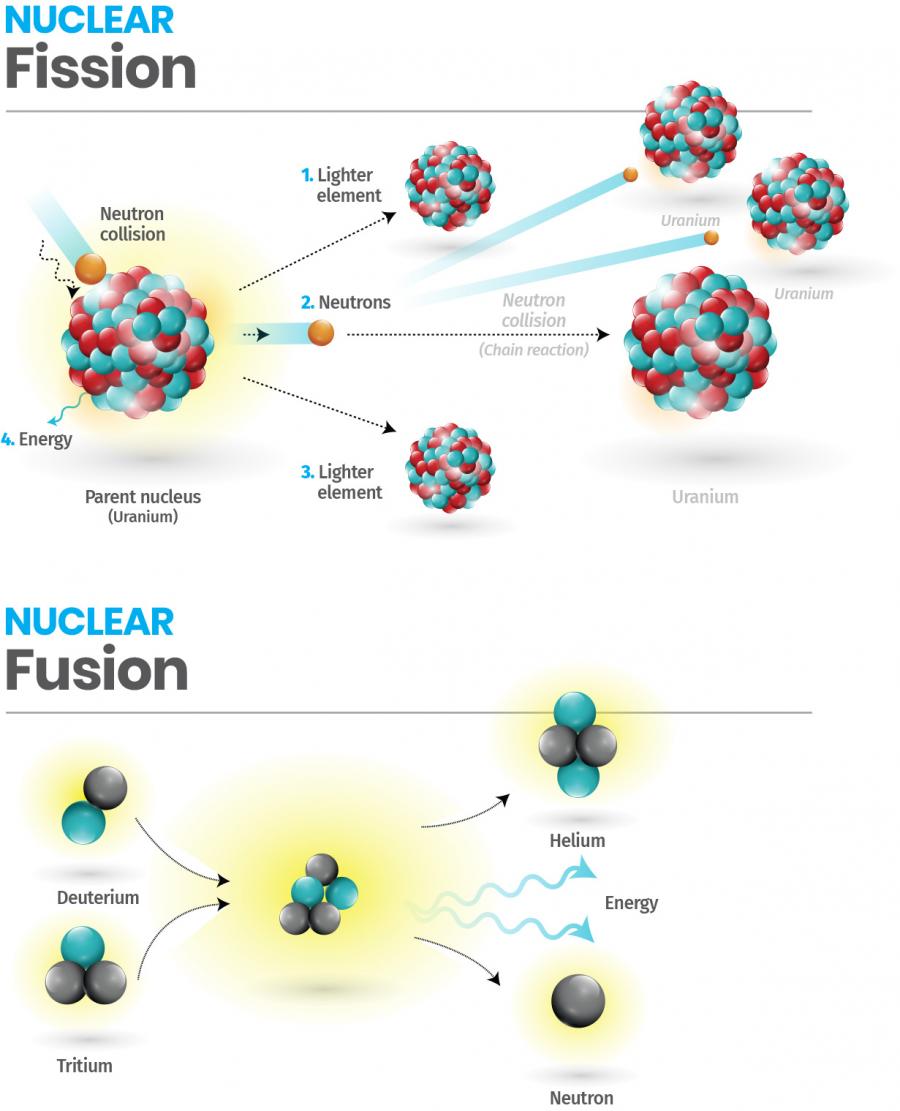
Nuclear fission is the process of splitting a heavy atomic nucleus. This splitting releases a large amount of energy. It is the main reaction used in nuclear power plants today.
Fission involves atoms like uranium or plutonium. These atoms are unstable and break apart when hit by a neutron. The energy produced helps generate electricity for homes and industries.
How Heavy Atoms Split
Heavy atoms have large nuclei with many protons and neutrons. When a neutron strikes the nucleus, it becomes unstable. The nucleus then splits into two smaller nuclei. This splitting releases energy and more neutrons.
Chain Reactions In Fission
The neutrons released can hit other heavy nuclei. This causes those nuclei to split as well. This process repeats, creating a chain reaction. Controlling this chain reaction is key to safe energy production.
Radioactive Waste Production
Fission produces radioactive byproducts. These wastes remain dangerous for thousands of years. They need careful storage and management. Handling waste is a major challenge for nuclear power.
Basics Of Nuclear Fusion
Nuclear fusion is the process that powers the sun and stars. It involves joining two light atomic nuclei to form a heavier nucleus. This process releases a massive amount of energy. Scientists want to use fusion to create a clean and almost limitless energy source on Earth.
Fusion differs from fission, which splits heavy atoms. Fusion requires very high temperatures and pressures. These conditions are challenging to create and maintain in laboratories. Despite this, fusion has great potential for safe energy production.
Combining Light Atomic Nuclei
In fusion, light nuclei like hydrogen isotopes combine. The most common fusion reaction joins deuterium and tritium, forms helium, and releases a neutron. This reaction produces energy because the mass of the new nucleus is less than the sum of the original nuclei. The lost mass converts into energy, following Einstein’s equation E=mc².
Conditions For Fusion
Fusion requires extremely high temperatures, around 100 million degrees Celsius. At this heat, atoms become plasma, where nuclei move fast enough to overcome repulsion. High pressure or density is also needed to increase collision chances. Maintaining these conditions long enough is a key challenge for fusion reactors.
Energy Release Compared To Fission
Fusion releases much more energy per reaction than fission. It produces fewer radioactive byproducts, making it cleaner. Fission splits heavy atoms like uranium, releasing energy but creating long-lasting waste. Fusion’s fuel, such as hydrogen isotopes, is abundant and safer. This makes fusion an attractive option for future energy needs.
Fission Applications
Nuclear fission has many important uses in today's world. It mainly helps produce electricity in nuclear power plants. The process breaks apart heavy atoms, such as uranium, to release energy. This energy then turns into heat and electricity. Fission is also used in medicine and industry, but its main role is in energy production.
Powering Nuclear Reactors
Nuclear reactors use fission to generate a steady power supply. Inside the reactor core, atoms split and release heat. This heat turns water into steam. The steam drives turbines that create electricity. Reactors can run for long periods without stopping. This helps provide stable energy to cities and industries.
Control And Safety Measures
Controlling fission reactions is vital for safety. Reactors use control rods made of materials like boron. These rods absorb neutrons and slow the chain reaction. Operators adjust rods to keep the process stable. Multiple safety systems are in place to stop the reaction if needed. These measures protect workers and the public from radiation risks.
Challenges With Radioactive Waste
Fission produces radioactive waste that stays dangerous for thousands of years. Managing this waste is a major challenge. It must be stored in secure facilities deep underground. Scientists study ways to reduce waste and recycle materials. Safe handling and disposal remain key to using fission responsibly.
Credit: www.ansto.gov.au
Fusion Applications
Nuclear fusion holds promise beyond theory. Its applications extend from powering stars to creating new energy sources on Earth. Understanding these uses helps us see fusion's potential impact on our future.
Fusion research aims to replicate the sun’s energy process. This could lead to cleaner and more abundant energy for all.
Energy Source Of Stars
Fusion is the natural process that powers stars, including our sun. Hydrogen atoms combine under immense heat and pressure to form helium. This reaction releases huge amounts of energy. It keeps stars shining for billions of years. The same process could provide energy on Earth if controlled safely.
Experimental Fusion Reactors
Scientists build experimental reactors to create fusion on Earth. Devices like tokamaks use magnetic fields to hold hot plasma. This plasma contains hydrogen isotopes heated to millions of degrees. The goal is to make fusion reactions stable and continuous. Experiments test ways to sustain this reaction efficiently. These reactors are crucial steps toward practical fusion energy.
Potential For Clean Energy
Fusion offers a clean energy source with low environmental impact. It produces no greenhouse gases or long-lived radioactive waste. Fuel for fusion comes from abundant sources like seawater. Fusion energy could reduce reliance on fossil fuels. If successful, it will provide safe, reliable power for future generations.
Comparing Fission And Fusion
Nuclear fission and fusion are two powerful processes that release energy from atoms. Both have unique features and challenges. Understanding their differences helps us see their roles in energy production today and tomorrow.
Fuel Types Used
Fission uses heavy elements like uranium or plutonium. These atoms split into smaller parts during the reaction.
Fusion uses light elements, mainly isotopes of hydrogen like deuterium and tritium. These atoms combine to form a heavier atom.
Energy Output Differences
Fusion produces much more energy than fission from the same amount of fuel. It powers the sun and stars naturally.
Fission releases less energy but can be controlled in nuclear reactors. It currently supplies a significant part of the world's electricity.
Waste And Environmental Impact
Fission creates radioactive waste that remains dangerous for thousands of years. Managing this waste is a major issue.
Fusion produces little to no long-lived radioactive waste. Its byproducts are mostly harmless helium gas.
Current Status And Future Prospects
Fission is widely used today in many nuclear power plants around the world. It is a proven technology.
Fusion is still in experimental stages. Scientists work to make fusion reactors that produce more energy than they use.
Fusion promises cleaner, safer energy once the technology is ready for practical use.
Technological Challenges
The development of nuclear fission and fusion technologies faces many tough challenges. These challenges slow progress and raise safety concerns. Engineers and scientists work hard to solve these issues. Understanding these problems helps appreciate the complexity of nuclear energy.
Sustaining Chain Reactions In Fission
Nuclear fission relies on a steady chain reaction. Splitting one atom releases neutrons that split others. Keeping this reaction stable is difficult. Too many neutrons cause an explosion. Too few stop the reaction. Control rods help absorb extra neutrons. Precise timing and material quality are vital. Safety systems must respond instantly to any change.
Achieving And Maintaining Fusion Conditions
Fusion needs extremely high temperatures and pressure. These conditions mimic the sun’s core. Creating and holding such heat on Earth is hard. Plasma must be confined without touching reactor walls. Magnetic fields and lasers try to control plasma. Even slight disruptions can stop fusion. The energy input often exceeds energy output. Scientists aim for “ignition” where fusion sustains itself.
Materials And Engineering Limits
Nuclear reactions produce intense heat and radiation. Reactor materials must withstand these harsh conditions. Metals can weaken or melt over time. Radiation damages atomic structures, causing brittleness. Engineers design special alloys and coatings. Cooling systems must remove vast amounts of heat. Maintenance and replacement of parts remain complex. Advances in materials science are crucial for reactor longevity.

Credit: nuclear.duke-energy.com
Frequently Asked Questions
What Is The Difference Between Nuclear Fusion And Fission?
Nuclear fission splits heavy atoms like uranium, releasing energy and radioactive waste. Fusion joins light atoms like hydrogen, producing more energy with less waste but is harder to achieve. Fission powers current reactors; fusion powers the sun and aims for future clean energy.
Which Is More Powerful Nuclear Fusion Or Fission?
Nuclear fusion is more powerful than fission, releasing several times more energy by joining light atoms. Fusion produces less radioactive waste but is harder to achieve. Fission splits heavy atoms, generating energy and long-lived radioactive waste, and powers current nuclear plants.
Is The Nuclear Bomb Fusion Or Fission?
A nuclear bomb can use fission or fusion. Atomic bombs rely on fission, splitting heavy atoms. Hydrogen bombs use fusion, joining light atoms for greater energy.
What Are 5 Examples Of Fusion?
Five examples of fusion include hydrogen nuclei forming helium in the sun, deuterium-tritium fusion in experimental reactors, proton-proton chain in stars, helium fusion in red giants, and carbon-nitrogen-oxygen cycle in massive stars. These processes release vast energy by combining light atomic nuclei.
Conclusion
Nuclear fission and fusion both release energy by changing atoms. Fission splits heavy atoms and powers today’s nuclear plants. Fusion joins light atoms and powers the sun. Fusion offers cleaner energy but is hard to control on Earth. Fission creates radioactive waste but is easier to manage.
Scientists continue to study fusion for safer, abundant energy. Understanding both processes helps us see how energy works in nature. Energy from atoms shapes our world and future technology.


No comments