Theory of Relativity Simple Explanation
Have you ever wondered why time seems to fly when you’re having fun, but drags when you’re bored? Or why gravity pulls you down instead of pushing you up?
These everyday mysteries connect to a fascinating idea called the Theory of Relativity. Don’t let the big words scare you—this theory is all about how time, space, and motion are linked, depending on your point of view. By the end of this article, you’ll see how Einstein’s genius helps explain the universe in a way that makes sense to you.
Ready to uncover the simple truth behind one of science’s biggest discoveries? Let’s dive in!

Credit: www.youtube.com
Basics Of Relativity
The Theory of Relativity changes how we understand space and time. It shows that these are not fixed and can change based on the observer’s motion. This idea helps explain many strange effects in the universe. We start with the basics to make this easier to grasp.
Relativity tells us that motion is not absolute. It depends on the point of view. This means two people moving differently will see things in different ways. Time and space also change with speed. These ideas form the core of the theory.
Relative Motion
Motion is always measured compared to something else. You feel still in a moving car because you move with it. But a person outside sees you moving fast. This shows motion is relative, not absolute. It depends on your frame of reference.
Speed Of Light Limit
Nothing can move faster than light in a vacuum. Light speed is about 299,792 kilometers per second. This limit is the same for everyone, no matter their motion. It acts like a cosmic speed limit for all objects and information.
Time Dilation
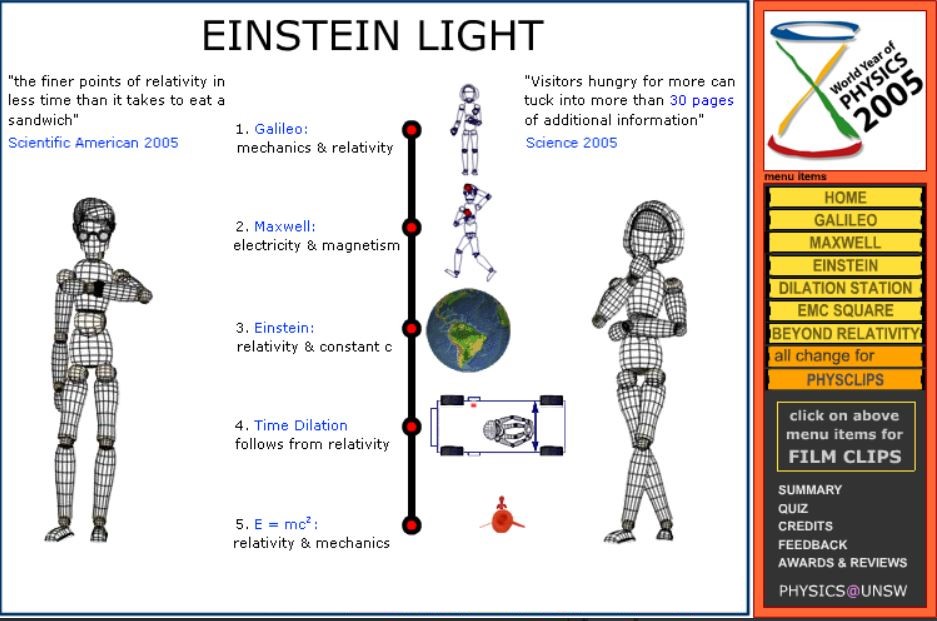
Time slows down for objects moving close to light speed. A clock on a fast spaceship ticks slower than one on Earth. This effect is called time dilation. It means time is not the same for all observers. Moving fast changes how time passes.
Special Relativity
Special Relativity is a theory developed by Albert Einstein in 1905. It focuses on objects moving at constant high speeds, especially near the speed of light. This theory changed how we understand time, space, and motion. It tells us that measurements of time and distance depend on the observer’s speed.
Special Relativity shows that time and space are linked and can stretch or shrink. It also states that the speed of light is always the same, no matter who measures it. This idea led to surprising discoveries about how the universe works.
Moving Train Example
Imagine you are on a train moving very fast. You throw a ball straight up. To you, the ball moves up and down normally. But to someone standing outside the train, the ball moves forward with the train and also moves up and down. This shows motion looks different depending on where you are.
Constant Light Speed
Light always travels at the same speed, about 299,792 kilometers per second. This speed never changes, no matter how fast you move. Even if you run toward a light source, the light speed stays constant. This idea is the core of Special Relativity.
Time Slows Down At High Speeds
Time moves slower for objects moving very fast compared to those standing still. This effect is called time dilation. For example, a clock on a spaceship moving near light speed will tick slower than a clock on Earth. This happens because time itself changes with speed.
General Relativity
General Relativity is Albert Einstein's theory that explains gravity in a new way. It shows that gravity is not just a force but a result of space and time bending. This theory helps us understand how planets move and why light bends near stars.
General Relativity changes how we see the universe. It connects space and time into one thing called space-time. This idea helps explain many strange effects in space and time.
Space-time Concept
Space and time are linked together as space-time. Think of it as a fabric that covers the entire universe. Every object and event happens within this space-time. It is not separate parts but one whole.
Space-time can stretch, squeeze, and bend. This bending changes how objects move and how time flows. It is a new way to think about the universe.
Gravity As Curved Space
Gravity is not just a pull between masses. Instead, it is the effect of curved space-time. Massive objects like planets and stars make dents or curves in space-time.
Other objects move along these curves, which looks like they are pulled by gravity. This explains why planets orbit the sun and why light bends near massive stars.
Massive Objects And Dips
Imagine a heavy ball on a stretched trampoline. The ball makes a dip in the trampoline surface. Smaller balls placed near it roll toward the heavy ball because of this dip.
Massive objects cause similar dips in space-time. The bigger the object, the deeper the dip. This shapes the path that other objects follow, creating the effect of gravity.
Gravity Explained Simply
Gravity is a force that pulls objects toward each other. It keeps us on the ground and makes planets orbit the sun. Einstein’s theory shows gravity as a bend in space and time. Imagine space as a fabric that bends under heavy objects. This bending guides how things move around.
Understanding gravity helps us see the universe in a new way. It is not just a pull but a curve in the space around us. Let’s explore this idea with easy examples.
Trampoline Analogy
Picture a large trampoline stretched tight. Place a heavy ball in the center. The trampoline fabric dips down where the ball sits. This dip is like how space bends around a massive object.
Smaller balls placed on the trampoline roll toward the heavy ball. They move because the fabric slopes down. Space works the same way—mass bends it, and gravity pulls objects along those curves.
Objects Rolling Into Dips
Imagine rolling marbles near a dip on a smooth surface. The marbles will move into the dip naturally. Gravity acts like this dip in space. Objects move toward the curved area created by mass.
This explains why planets orbit stars. The star’s mass creates a dip in space. Planets roll around this dip, staying in orbit instead of flying away.
Everyday Gravity Effects
Gravity keeps us on the ground. It makes things fall when dropped. Water flows down hills because of gravity. Even the moon’s gravity causes tides in the ocean.
Our daily life depends on gravity’s pull. It shapes how we move and how objects behave. Without gravity, life would be very different.
Time And Space Effects
Time and space do not act the same for everyone. They change based on how fast you move and where you are. Einstein’s Theory of Relativity shows that time can slow down or speed up. Space can stretch or bend too. These effects are real and affect everything in the universe.
Different Perspectives
Time and space depend on your point of view. Two people moving at different speeds will see time differently. For example, a clock on a fast spaceship ticks slower than a clock on Earth. This happens because motion changes how time passes for each observer. Space also looks different depending on speed and gravity.
Stretching And Squishing Of Time
Time can stretch or squish like a rubber band. When you move very fast, time slows down for you. This is called time dilation. Near big objects like stars, gravity bends space and slows time too. This means time is not fixed; it changes with speed and gravity. Scientists have measured this with precise clocks on airplanes and satellites.
Relativity In Daily Life
Relativity affects our everyday technology. GPS satellites must adjust for time changes caused by speed and gravity. Without these corrections, GPS would give wrong locations. Even though these effects are tiny for most people, they are important. Understanding time and space helps improve modern tools and keeps them accurate.
Credit: www.reddit.com
Relativity For Kids
Relativity can sound tricky, but kids can understand it too. It explains how time, space, and motion change depending on how you move or where you are. Imagine riding in a car or standing still watching the car pass by. Things look different from each spot. This simple idea helps us see the world in a new way.
Einstein’s theory also tells us that big things like planets can bend space and time, much like a heavy ball on a soft trampoline. This bending is what we feel as gravity. The faster you move, the slower time ticks for you compared to someone standing still. Let’s break these ideas down with easy examples and pictures.
Simple Examples
Think about playing catch on a moving train. To you, the ball moves normally. To someone outside, the ball moves much faster because of the train’s speed. This shows how motion depends on your viewpoint.
Imagine a flashlight on a fast spaceship. No matter how fast the ship moves, the light always travels at the same speed. This is a key part of relativity.
Visual Analogies
Picture a trampoline with a heavy ball in the middle. The ball makes a dip. If you roll a smaller ball nearby, it moves toward the heavy ball. This is like how planets bend space and pull objects closer, which we call gravity.
Think of time as a clock’s ticking. When you move very fast, the clock ticks slower for you compared to someone standing still. It’s like your watch is running differently because of your speed.
Key Takeaway Points
- Motion, time, and space change based on your viewpoint.
- Big objects bend space and time, creating gravity.
- Light speed stays the same for everyone, no matter how fast they move.
- Time moves slower for objects moving very fast.
Credit: www.phys.unsw.edu.au
Frequently Asked Questions
How Do You Explain The Theory Of Relativity To A Child?
The theory of relativity means time and space change depending on how fast you move. Big objects like planets bend space, creating gravity. The faster you go, the slower time passes for you compared to others. It helps us understand how the universe works.
How To Simply Explain Relativity?
Relativity means motion, time, and space change based on your viewpoint. Massive objects bend space-time, causing gravity. Time slows near light speed.
Can You Explain The Theory Of Relativity In Your Own Words?
The theory of relativity explains that time, space, and motion vary based on the observer's speed and gravity. Massive objects bend space-time, causing gravity. The faster you move, the slower time passes for you compared to others. Light speed is the universal speed limit.
Can You Explain Einstein's Theory Of Relativity In Layman's Terms?
Einstein's theory of relativity explains that time and space change with speed and gravity. Massive objects bend space-time, creating gravity. Faster movement slows time. This shows the universe's rules depend on your viewpoint and motion, reshaping how we understand space, time, and gravity.
Conclusion
The theory of relativity changes how we see space and time. It shows that time moves differently depending on speed and gravity. Massive objects bend space like a heavy ball on a trampoline. This bending causes what we call gravity.
Understanding this helps explain many things in the universe. Remember, motion and time depend on your point of view. Einstein’s ideas opened new ways to explore physics. Keep thinking about how the universe works around you. The theory may seem complex, but its core ideas are simple and powerful.


No comments