Magnetic Field And Magnetic Lines
Have you ever wondered what makes magnets pull or push objects without touching them? The secret lies in something invisible all around us—the magnetic field.
But how can you understand something you can’t see? That’s where magnetic lines come in. These imaginary lines help you visualize the strength and direction of the magnetic force at any point. By exploring magnetic fields and magnetic lines, you’ll uncover how they shape everything from simple fridge magnets to the powerful forces guiding Earth’s compass.
Keep reading to discover the fascinating world of magnetism and see how this invisible force impacts your daily life.
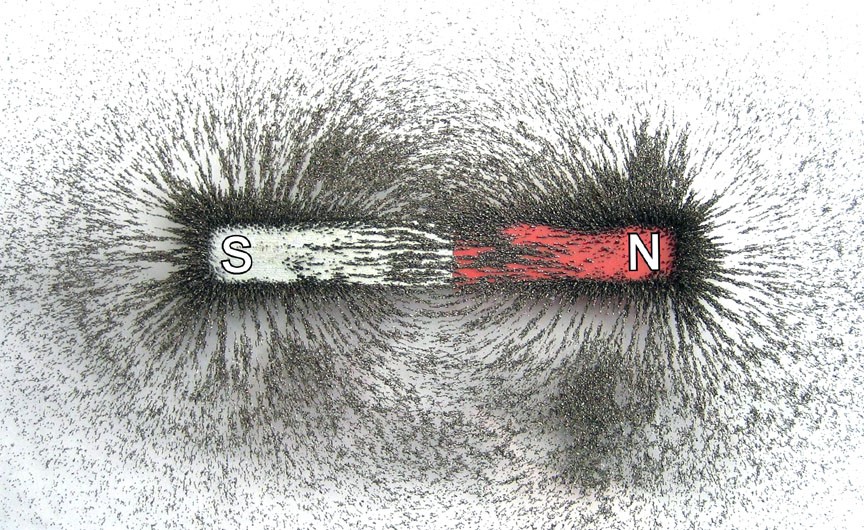
Credit: www.etcourse.com
Magnetic Field Basics
Understanding the basics of magnetic fields is essential to grasp how magnets work. Magnetic fields are invisible forces that surround magnets and electric currents. These fields influence other magnetic materials and charged particles nearby. Visualizing magnetic fields helps us see how magnetic forces act in space.
Definition And Origin
A magnetic field is an area where magnetic forces can be detected. It originates from moving electric charges and magnetic materials like magnets. The field shows the direction and strength of magnetic influence. Magnetic fields exist around magnets and electric currents.
Sources Of Magnetic Fields
Magnetic fields come from several sources. Permanent magnets produce steady magnetic fields due to electron spins. Electric currents create magnetic fields as charges move through wires. Earth itself acts as a giant magnet, creating a natural magnetic field around the planet.
Magnetic Force Effects
Magnetic fields cause forces that attract or repel magnetic materials. These forces act on other magnets and moving charged particles. The strength and direction of the force depend on the magnetic field's intensity and the object's properties. Magnetic forces enable devices like motors and compasses to work.
Magnetic Field Lines
Magnetic field lines are a simple way to picture the invisible magnetic field around magnets or electric currents. These lines help us understand how magnetic forces move and act in space. They are not real lines but drawn paths that show the shape and strength of the magnetic field.
Magnetic field lines always form closed loops. They exit from the north pole of a magnet and enter the south pole outside the magnet. Inside the magnet, they move from south to north, completing the loop. This loop pattern shows the continuous nature of magnetic fields.
Visualizing The Field
Magnetic field lines give a clear picture of the magnetic field’s shape. They spread out from one pole and curve around to the other. This helps us see the area influenced by magnetic forces. The lines create patterns that differ with the type of magnet or current.
Direction And Arrows
Each magnetic field line has arrows that show the field’s direction. Outside the magnet, arrows point from the north pole to the south pole. Inside the magnet, arrows point back to the north pole. This direction tells us how a tiny magnetic needle would point at any spot.
Strength Indication
The closeness of the field lines shows the magnetic field’s strength. Where lines are close, the magnetic force is strong. Where lines are far apart, the force is weak. This spacing helps scientists and engineers understand how powerful a magnet is at different points.
Properties Of Magnetic Field Lines
Magnetic field lines help us understand the invisible magnetic field around magnets. These lines show the direction and strength of magnetic forces. They follow specific rules that reveal important properties of the magnetic field. Knowing these properties makes it easier to study magnets and their effects.
Continuous Closed Loops
Magnetic field lines always form closed loops. They start from the north pole of a magnet and return to the south pole inside the magnet. This loop continues without any breaks. It means magnetic forces are continuous and never disappear.
Non-intersecting Lines
Magnetic field lines never cross each other. If they did, the magnetic field would have two directions at one point. This is impossible. So, each point in the magnetic field has only one direction of force, shown by these lines.
Density And Field Strength
The strength of a magnetic field depends on how close the lines are. Closer lines mean a stronger magnetic force. When lines spread apart, the force is weaker. This helps us see where the magnetic field is strongest and where it is weak.
Magnetic Field Around Magnets
A magnetic field forms an invisible area around a magnet. This field shows where magnetic forces can act. It surrounds both natural and artificial magnets. The magnetic field controls how objects like iron respond near the magnet.
We can visualize this field using magnetic lines. These lines help us understand the strength and direction of the field. The closer the lines, the stronger the magnetic force in that area.
Field Direction Near Poles
Near the poles, the magnetic field has a clear direction. It moves out from the north pole of the magnet. Then it curves around and enters the south pole. This flow creates a loop that guides magnetic forces.
The direction of the field lines is always from north to south outside the magnet. Inside the magnet, the lines move from south to north. This continuous loop keeps the magnetic forces balanced.
Field Patterns
The magnetic field forms distinct patterns around the magnet. Field lines spread out near the poles and curve between them. They never cross each other. The pattern shows how the magnetic force changes in space.
Stronger magnets have denser field lines. This means the force is stronger where the lines are close. The shape of the field depends on the magnet's size and shape. Common magnets like bar magnets show a simple, clear pattern.
Interaction With Magnetic Materials
Magnetic materials like iron change the magnetic field near a magnet. These materials attract and guide the field lines toward themselves. This interaction increases the force felt by the material.
When placed near a magnet, magnetic materials can become temporary magnets. They align their own tiny magnetic fields with the external field. This effect makes the magnetic force stronger and easier to detect.
Differences Between Field And Lines
Magnetic fields and magnetic lines often confuse many learners. Both terms relate to magnetism but differ in nature and purpose. Understanding their differences helps grasp how magnets influence their surroundings and how we visualize this effect.
Magnetic fields exist in space around magnets or moving electric charges. Magnetic lines, called field lines, are drawings that show the direction and strength of these fields. The next sections explain these differences clearly.
Physical Phenomenon Vs Visual Tool
A magnetic field is a real, physical force acting in space. It affects magnetic materials and electric currents nearby. This field is invisible but has measurable effects.
Magnetic lines or field lines do not exist physically. They are imaginary lines drawn to represent the magnetic field. These lines help us see how the field moves and where it is stronger or weaker.
Field lines start from the magnet’s north pole and end at the south pole outside the magnet. Inside the magnet, they form continuous closed loops. These lines never cross each other, showing unique direction at every point.
Role In Magnetic Force Representation
The magnetic field shows the force a magnet can exert in a region. It tells us how a magnetic object would behave if placed there.
Magnetic field lines represent this force visually. The direction of the lines shows the path a north magnetic pole would take. The closeness of the lines indicates the strength of the magnetic force.
Denser lines mean a stronger magnetic field. Sparsely spaced lines mean a weaker field. This visual tool helps scientists and students understand complex magnetic interactions easily.
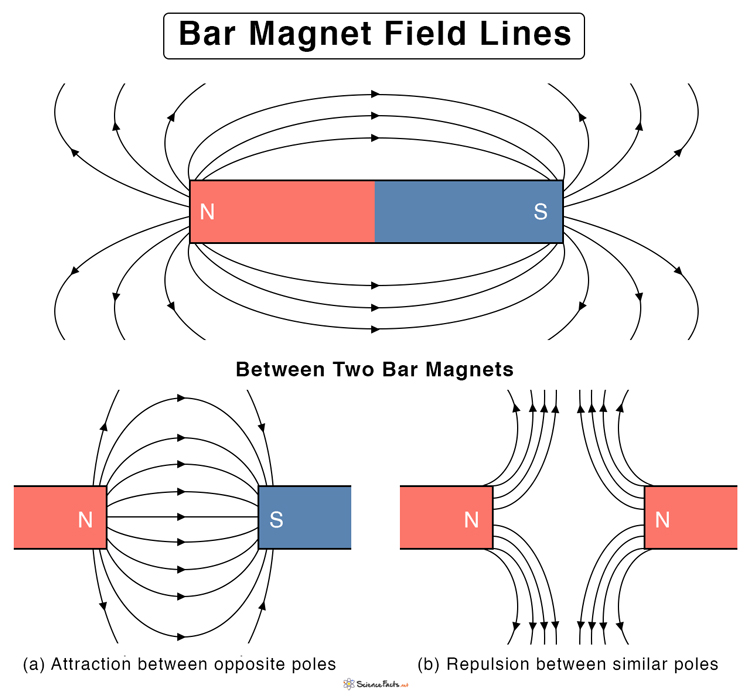
Credit: www.sciencefacts.net
Applications Of Magnetic Field Lines
Magnetic field lines play a vital role in many practical applications. They help us understand and visualize invisible magnetic forces around magnets and electric currents. These lines guide the study and use of magnetism in science and daily life.
Mapping Magnetic Fields
Scientists use magnetic field lines to map magnetic fields precisely. These lines show the direction and strength of magnetic forces. The closer the lines, the stronger the magnetic field in that area. Mapping helps in designing electric motors and generators efficiently. It also aids in studying Earth’s magnetic field for geophysical research.
Compass Navigation
Magnetic field lines guide compass needles to point north. The Earth’s magnetic field lines run from the south pole to the north pole. This natural magnetic field helps travelers and sailors find directions. Compasses rely on these lines to work without needing batteries or power. This simple tool remains essential for navigation worldwide.
Educational Visualization
Magnetic field lines serve as an excellent teaching tool. They help students see the invisible magnetic forces clearly. Diagrams and experiments with iron filings show how field lines form loops around magnets. This visualization makes learning about magnetism easier and more fun. It builds a strong foundation for understanding physics concepts.
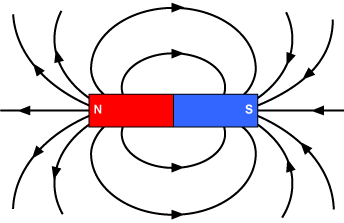
Credit: ece.northeastern.edu
Frequently Asked Questions
What Is The Difference Between Magnetic Field And Magnetic Field Lines?
A magnetic field is an invisible force around magnets or currents. Magnetic field lines visually represent this field’s direction and strength. Lines show force direction from north to south poles and never cross, helping map the magnetic field’s shape and intensity.
What Are The Three Main Rules About Magnetic Field Lines?
Magnetic field lines always point from the North to South pole outside the magnet. Their density shows field strength. Lines never cross, ensuring a unique field direction at every point.
What Is A Magnetic Line?
A magnetic line, or magnetic field line, visually represents a magnetic field's direction and strength. It shows force flow from a magnet’s north to south pole, forming continuous loops without crossing. The line density indicates the magnetic field's intensity at that location.
What Are The Magnetic Field Lines And Magnetic Force?
Magnetic field lines visually represent the magnetic field's direction and strength. Magnetic force acts on magnetic materials or moving charges within this field.
Conclusion
Magnetic fields surround magnets and moving electric charges. Magnetic field lines help us see the field’s shape and strength. These lines flow from the north pole to the south pole outside the magnet. They never cross and form closed loops.
The closer the lines, the stronger the magnetic force. Understanding these concepts makes magnetism easier to grasp. Keep exploring to learn how magnets affect the world around us.


No comments