Biotic And Abiotic Factors
Have you ever wondered what shapes the world around you? Whether it’s the lush trees in your park or the air you breathe, everything you see and experience is influenced by two powerful forces: biotic and abiotic factors.
These factors work together to create the environments where plants, animals, and even you live and thrive. Understanding biotic and abiotic factors isn’t just for scientists—it’s essential for anyone curious about nature, ecosystems, and how life connects. You’ll discover what these factors are, why they matter, and how they impact your everyday surroundings.
Ready to unlock the secrets of the living and nonliving world around you? Keep reading to explore how these elements shape life itself.

Credit: byjus.com
Biotic Factors
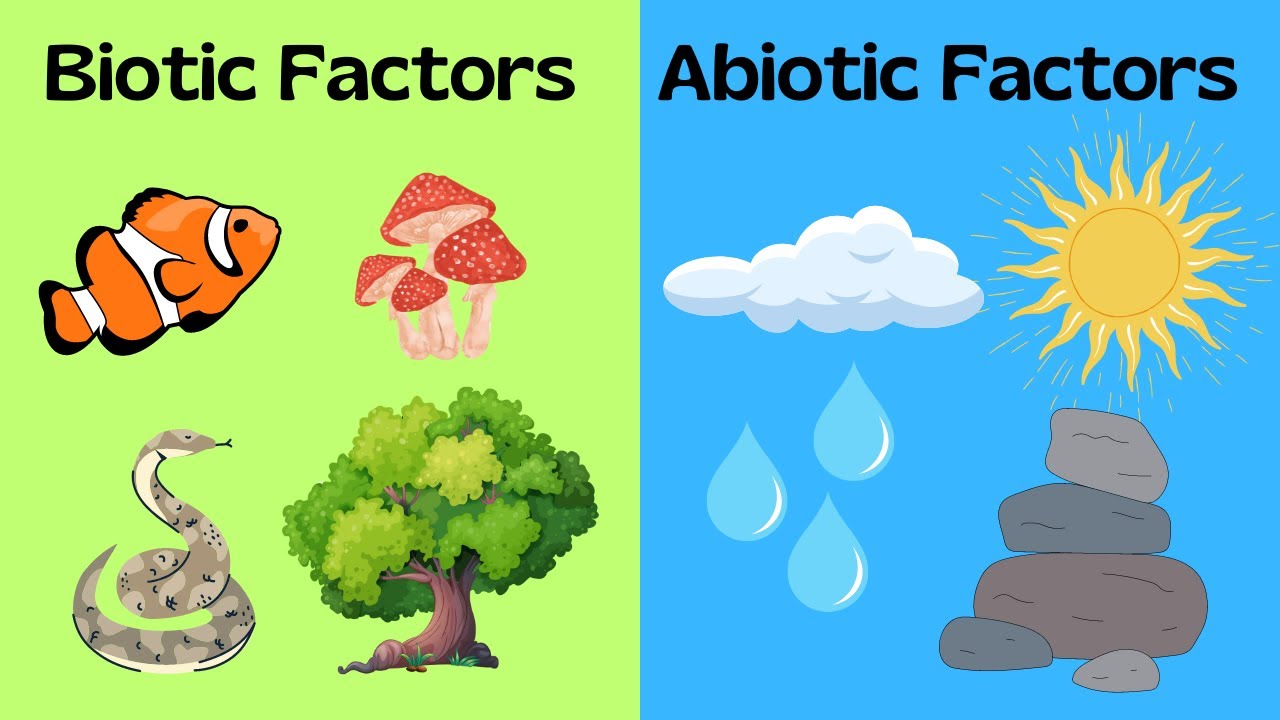
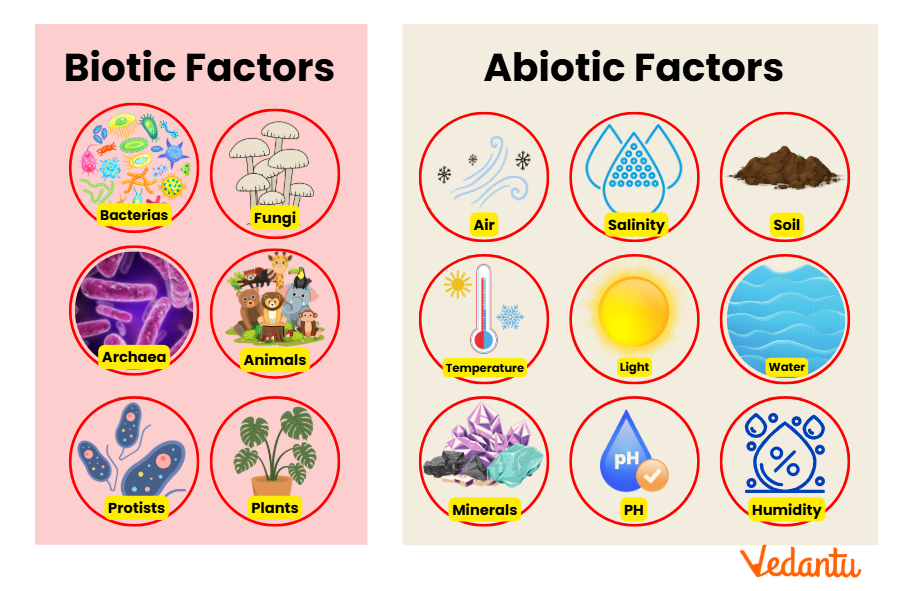
Biotic factors are all the living parts of an ecosystem. These include plants, animals, microorganisms, and humans. Each plays a role in the balance of nature. They interact with each other and influence their surroundings. Understanding biotic factors helps us see how life thrives and changes in different environments.
Plants And Trees
Plants and trees are the main producers in ecosystems. They use sunlight to make food through photosynthesis. Trees provide shelter and food for many animals. They also help clean the air and hold soil in place. Without plants, life on Earth would not survive.
Animals And Mammals
Animals and mammals consume plants or other animals for energy. They help control populations by hunting or grazing. Mammals like deer, bears, and wolves play key roles in food chains. Their movements spread seeds and nutrients across the land. Animals keep ecosystems balanced and dynamic.
Microorganisms: Bacteria And Fungi
Bacteria and fungi break down dead plants and animals. This process returns nutrients to the soil, supporting new life. Some bacteria help plants absorb nutrients or fix nitrogen. Fungi form relationships with plants, improving water and nutrient uptake. Microorganisms are essential recyclers in all ecosystems.
Insects And Pollinators
Insects, such as bees and butterflies, pollinate many plants. Pollination allows plants to produce fruits and seeds. Insects also serve as food for birds and small mammals. Some insects help decompose organic matter. They support plant growth and maintain food webs.
Aquatic Life: Fish, Algae, And Plankton
Fish live in freshwater and marine environments, filling many ecological roles. Algae produce oxygen and form the base of aquatic food chains. Plankton, tiny organisms, serve as food for fish and other animals. Together, they sustain life in water and influence global cycles.
Humans' Role In Ecosystems
Humans impact ecosystems in many ways. They alter landscapes, introduce new species, and use natural resources. Some actions harm ecosystems, while others protect and restore them. Understanding human effects is vital for preserving biodiversity and ecosystem health.
Credit: www.youtube.com
Credit: www.vedantu.com
Frequently Asked Questions
What Are Biotic And Abiotic Factors?
Biotic factors are all living organisms in an ecosystem, like plants, animals, and microbes. Abiotic factors include nonliving elements such as sunlight, water, temperature, soil, and air that influence living conditions. Both shape ecosystems and affect organism survival and growth.
What Are 10 Examples Of Biotic Factors?
Ten biotic factors include trees, mammals, bacteria, fungi, insects, birds, fish, humans, algae, and plankton. These living organisms interact within ecosystems.
What Are 5 Abiotic Factors?
Five abiotic factors include sunlight, water, temperature, soil, and air. These nonliving elements shape ecosystems.
What Are 5 Biotic Factors In An Ecosystem?
Five biotic factors in an ecosystem include plants, animals, bacteria, fungi, and insects. These living organisms interact and shape the environment.
Conclusion
Biotic and abiotic factors work together to shape ecosystems. Living things depend on nonliving elements like water and sunlight. Each factor plays a vital role in nature’s balance. Understanding these helps us protect our environment better. Ecosystems stay healthy when both factors interact well.
Nature’s complexity shows how life adapts and thrives. Small changes in one factor can affect many living things. This connection highlights the importance of caring for all parts of nature. Studying biotic and abiotic factors reveals the secrets of life on Earth.


No comments