Ecosystem Explained
Have you ever wondered how plants, animals, and even tiny bugs all live together and depend on one another? That’s exactly what an ecosystem is—a community where every living thing and its environment connect and interact.
Whether it’s a vast forest, a quiet pond, or even the soil beneath your feet, ecosystems are all around you. Understanding how these natural neighborhoods work can change the way you see the world and your place in it. Ready to discover what makes an ecosystem tick and why it matters to you?
Keep reading, and you’ll uncover the fascinating web of life that supports us all.
Credit: www.priyamstudycentre.com
Ecosystem Basics
An ecosystem is a community of living and non-living things in one place. These elements interact closely to create a balanced environment. Understanding the basics helps us see how nature works together. Ecosystems vary in size and type but share common features that keep life thriving.
Living Components
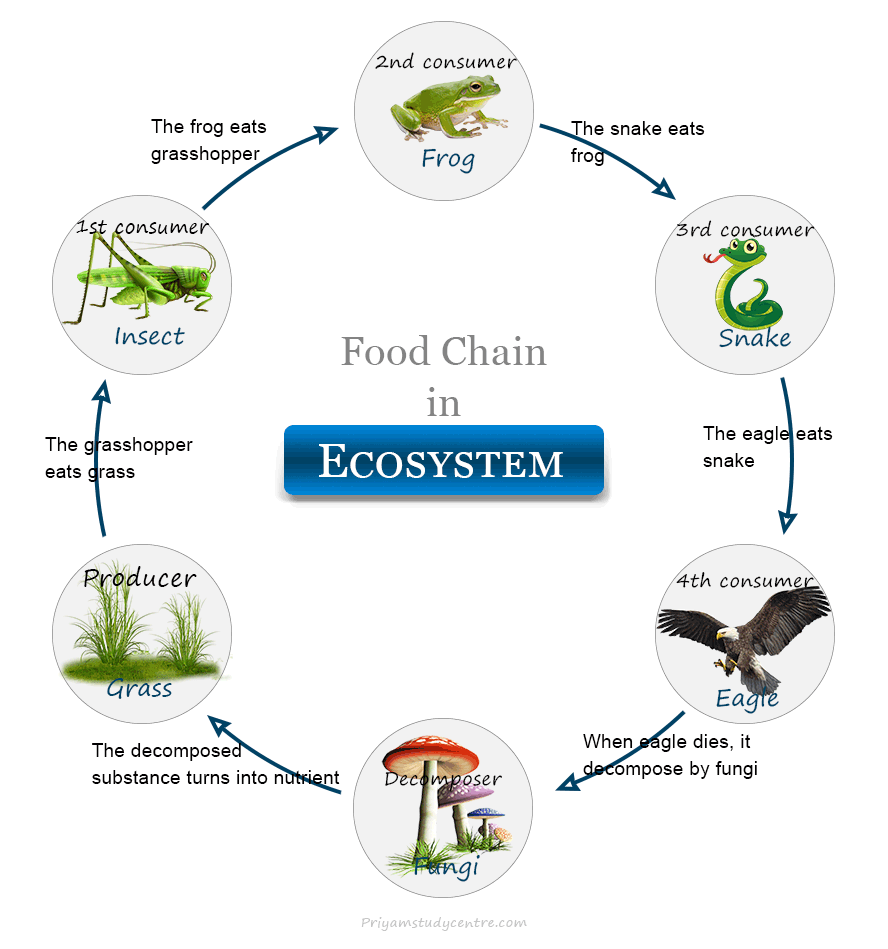
Living components include plants, animals, and microorganisms. They depend on each other for food and shelter. Plants produce energy through sunlight, which animals consume. Microorganisms break down dead matter, recycling nutrients back into the soil. Each living thing plays a role in sustaining the ecosystem.
Non-living Components
Non-living parts consist of water, air, soil, and sunlight. These elements provide essential resources for life. Water supports hydration and habitat for many species. Soil holds nutrients and anchors plants. Sunlight drives photosynthesis, which fuels the entire food chain. The climate and temperature also shape the ecosystem’s health.
Interactions And Balance
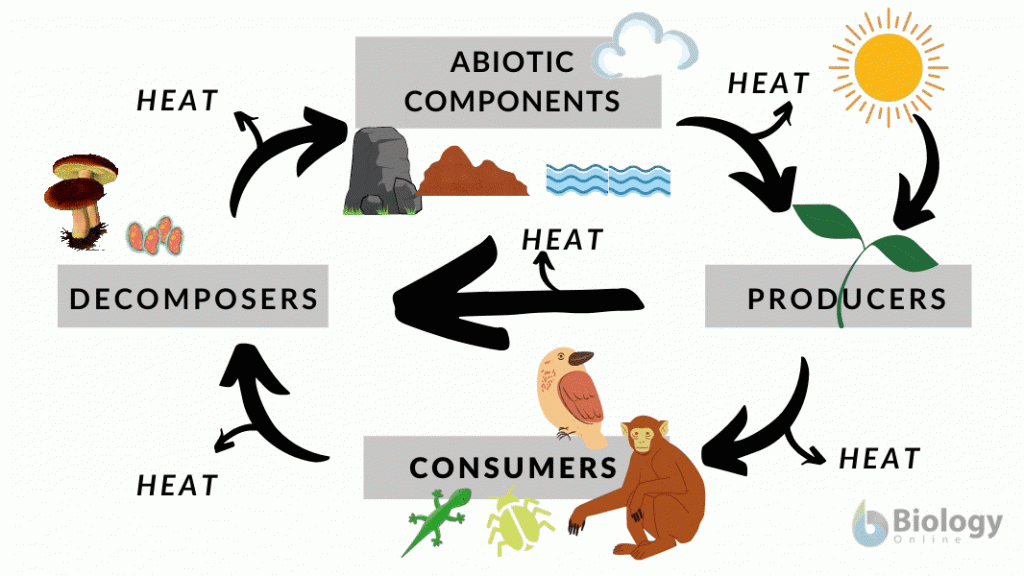
Living and non-living parts interact continuously to maintain balance. Animals eat plants or other animals, controlling population size. Plants grow using sunlight and nutrients from the soil. Decomposers recycle waste, keeping the system clean. If one part changes, it can affect the whole ecosystem. Balance is key for long-term survival.
Credit: www.biologyonline.com
Types Of Ecosystems
Ecosystems exist in many forms across the planet. Each type supports unique plants, animals, and environments. Understanding different ecosystems helps us appreciate Earth's natural diversity.
Here is a look at the main types of ecosystems found worldwide.
Forest Ecosystems
Forest ecosystems are rich in trees and plants. They provide homes to many animals and insects. Examples include tropical rainforests, temperate forests, and boreal forests. These areas have high biodiversity and play a key role in oxygen production.
Grassland Ecosystems
Grasslands feature wide open spaces filled with grasses and herbs. Trees are rare in these regions. Animals like bison, zebras, and antelopes thrive here. Grasslands include prairies and savannas. They often have rich soil, ideal for farming.
Desert Ecosystems
Deserts are dry and receive very little rainfall. Plants and animals have special adaptations to survive heat and drought. Examples are hot deserts like the Sahara and cold deserts like Antarctica. Life in deserts is tough but fascinating.
Tundra Ecosystems
Tundras are cold, treeless zones found in polar regions or high mountains. The ground is frozen most of the year, called permafrost. Only hardy plants like mosses and lichens grow here. Animals like polar bears and arctic foxes live in tundras.
Aquatic Ecosystems
Aquatic ecosystems exist in water. They split into freshwater and marine types. Freshwater includes lakes, rivers, and ponds. Marine ecosystems cover oceans, coral reefs, and estuaries. Water quality and temperature greatly affect these habitats.
Wetland Ecosystems
Wetlands are areas where water covers the soil or is near the surface. They include marshes, swamps, and bogs. Wetlands filter water, control floods, and support diverse wildlife. Many birds, fish, and amphibians depend on wetlands.
Savanna Ecosystems
Savannas are tropical grasslands with scattered trees. They experience distinct wet and dry seasons. Large herbivores like elephants and giraffes roam here. Savannas support a balance between open land and tree cover, creating varied habitats.
Aquatic Ecosystem Details
Aquatic ecosystems cover all water-based environments where life thrives. These ecosystems include both freshwater and marine systems. Each type supports unique plants, animals, and microorganisms adapted to their conditions.
Water quality, temperature, and salt content define the differences between these systems. Aquatic ecosystems play vital roles in Earth's climate, food chains, and oxygen production.
Freshwater Systems
Freshwater systems include lakes, rivers, ponds, and streams. They contain little to no salt, making them different from oceans. These waters support fish, insects, amphibians, and many plant species.
Freshwater habitats provide drinking water and irrigation for humans. They also help regulate the climate by storing carbon and absorbing heat. Many animals rely on these systems for food and shelter.
Marine Systems
Marine systems cover oceans, coral reefs, and estuaries. These waters have high salt content. Oceans are the largest ecosystems, home to whales, sharks, and countless tiny organisms.
Coral reefs are rich in biodiversity. They protect shorelines from erosion and provide resources for fishing communities. Estuaries mix fresh and salt water, creating unique habitats for many species.
Artificial And Urban Ecosystems
Artificial and urban ecosystems are environments created or heavily influenced by humans. These ecosystems differ from natural ones because they include man-made structures and altered landscapes. They show how living things adapt to new conditions shaped by cities, buildings, and technology.
In urban areas, plants, animals, and humans interact within a complex system. This system depends on human activities like transportation, waste management, and energy use. Despite challenges, urban ecosystems can support diverse life forms and provide essential services.
What Are Artificial Ecosystems?
Artificial ecosystems are designed environments made by people. Examples include farms, gardens, and aquariums. These systems rely on human care and management to maintain balance. They often have fewer species than natural ecosystems but serve important roles in food production and recreation.
Characteristics Of Urban Ecosystems
Urban ecosystems exist in cities and towns. They combine natural elements with buildings, roads, and parks. Pollution, noise, and heat are common challenges here. Despite this, many plants and animals find ways to live and thrive in urban settings.
Importance Of Artificial And Urban Ecosystems
These ecosystems help support human life by providing food, clean air, and green spaces. They also offer habitats for some wildlife. Understanding their dynamics can improve city planning and environmental health. Protecting urban green areas benefits both people and nature.
Ecosystem Examples
Ecosystems exist in many forms and sizes across the Earth. Each ecosystem supports different plants, animals, and environments. Some are small and limited, while others stretch over large areas and include many life forms. Understanding these examples helps us see how life connects and depends on its surroundings.
Small-scale Ecosystems
Small-scale ecosystems include places like ponds, gardens, or a patch of forest. These areas are easy to study and often have fewer species. A pond, for example, has water, fish, insects, plants, and microorganisms all living together. Each part plays a role in keeping the pond healthy and balanced. Gardens also show small ecosystems where flowers, insects, birds, and soil life interact.
Even a fallen log can be a small ecosystem. It hosts fungi, bugs, and tiny animals that feed on decay. These small ecosystems are important because they support life and help larger ecosystems stay strong.
Large-scale Ecosystems
Large-scale ecosystems cover huge regions like forests, deserts, or oceans. These systems include many species and different habitats. Tropical rainforests are large ecosystems with thousands of plants and animals. They produce oxygen and store carbon, helping the planet’s health.
Deserts are another large ecosystem type. They have little water but many plants and animals adapted to dry conditions. Oceans, the biggest ecosystems, support vast life forms from tiny plankton to the largest whales. They control weather and provide food for millions of people.
Large ecosystems are complex and need protection to survive. Each part affects the others, showing how life is connected on a broad scale.
How Ecosystems Function
Ecosystems work through complex interactions among living and non-living things. These interactions keep nature balanced and support life. Understanding how ecosystems function helps us see the connections between organisms and their environment.
Food Chains And Webs
Food chains show how energy moves from one organism to another. Plants capture sunlight and make food through photosynthesis. Herbivores eat plants, and carnivores eat herbivores. This creates a chain of feeding relationships.
Food webs are more complex. They link multiple food chains together. Many animals eat different kinds of food. Food webs show the many paths energy can take in an ecosystem.
Energy Flow
Energy enters ecosystems through the sun. Plants convert sunlight into energy using photosynthesis. This energy moves through the ecosystem as animals eat plants and each other. At each step, some energy is lost as heat.
Energy flow is one-way. It starts with the sun and ends with decomposers breaking down dead matter. Decomposers return nutrients to the soil, helping plants grow again.
Response To Changes
Ecosystems respond to changes in many ways. If a species disappears, others may fill its role. Sometimes changes cause imbalance, like when invasive species arrive.
Natural events like storms or fires also affect ecosystems. Some ecosystems recover quickly. Others take a long time to heal. Adaptation and resilience help ecosystems survive changes.
Explaining Ecosystems To Kids
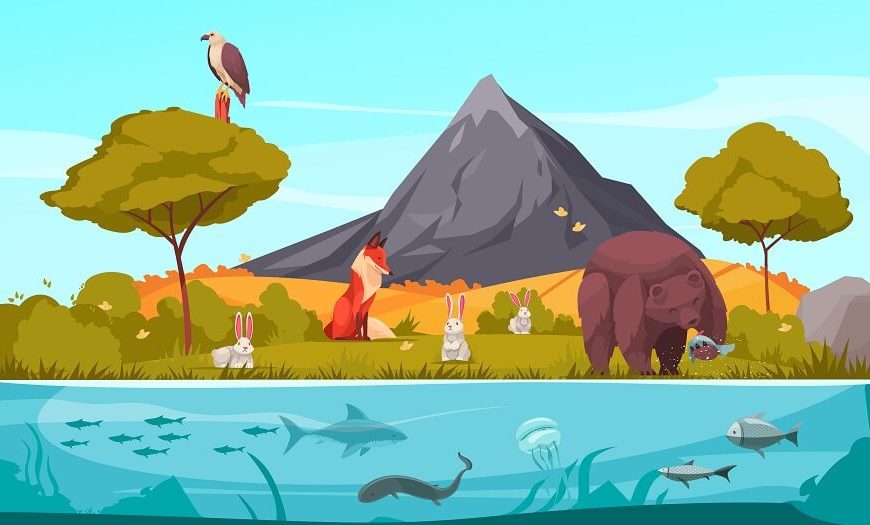
Explaining ecosystems to kids can be fun and simple. Kids learn best with clear ideas and fun examples. Ecosystems include all plants, animals, and non-living things in one place. Each part depends on the others to live and grow. Teaching this helps children understand nature’s balance and care for the Earth.
Using easy words and ideas helps children grasp complex topics. Stories, pictures, and comparisons make learning about ecosystems exciting. Kids enjoy seeing how nature works like a team. This builds respect for animals, plants, water, and air around them.
Simple Analogies
Think of an ecosystem as a big family. Each member has a role to play. Plants are like cooks making food using sunlight. Animals are like eaters who enjoy the food. The sun is the power that keeps everything going. Water and air are helpers everyone needs. Just like family members help each other, plants and animals work together in ecosystems.
This analogy makes it easier for kids to imagine how nature works. Every living thing is important, just like every family member matters. When one member is missing, the family feels it. The same happens in ecosystems if one part disappears.
Everyday Comparisons
An ecosystem is like a playground. Plants, animals, and insects all share the space. They play different games but need the same playground to have fun. The soil is like the ground where kids run and play. The sun is like a bright lamp lighting up the playground. Water is like a drink that keeps everyone healthy.
Kids understand playgrounds well, so this comparison helps them see ecosystems clearly. It shows how everything works together and why it is important to keep the playground clean and safe. Protecting nature means protecting this special place for all living things.
Credit: www.eurokidsindia.com
Frequently Asked Questions
How Do You Explain An Ecosystem?
An ecosystem is a community where living organisms interact with each other and their non-living environment. It includes plants, animals, water, soil, air, and sunlight. These interactions create a balanced system supporting life and allowing energy flow and nutrient cycling within a specific area.
What Are The 7 Main Types Of Ecosystems?
The seven main ecosystems are forest, grassland, desert, tundra, aquatic (freshwater and marine), wetlands, and savanna. Each supports unique plants and animals, shaped by climate and geography. These ecosystems maintain Earth's biodiversity and balance.
How To Explain Ecosystem To A Child?
An ecosystem is a neighborhood where plants, animals, water, air, and sunlight live and help each other. Everything in it works together to stay alive.
What Are The 4 Types Of Ecosystems?
The four main types of ecosystems are forest, grassland, desert, and aquatic. Forests have many trees and species. Grasslands contain mostly grasses. Deserts are dry with sparse plants. Aquatic ecosystems include freshwater and marine environments.
Conclusion
Ecosystems show how nature connects all living and non-living things. Each part depends on others to keep balance and life strong. Different types, like forests, deserts, and oceans, offer unique homes for plants and animals. Understanding ecosystems helps us protect our planet better.
Nature’s web is delicate but powerful. Every small action counts to keep ecosystems healthy. Learning about them is the first step toward caring for the Earth. Simple and strong—nature’s teamwork keeps life going.


No comments