Bacteria Structure And Function
Have you ever wondered what makes bacteria so powerful and adaptable? Understanding bacteria structure and function gives you a clear picture of how these tiny organisms survive, move, and interact with their environment.
From the protective cell wall to the whip-like flagella that help them swim, each part plays a vital role in their life. Whether bacteria help keep your body healthy or cause infections, knowing their structure unlocks secrets about how they live and thrive.
Keep reading to discover the fascinating details of bacterial cells and why they matter to your health and the world around you.
Cell Envelope Layers
The cell envelope of bacteria is a vital structure that surrounds the cell's interior. It protects the cell and controls what enters and leaves. This envelope has multiple layers, each with a special role. These layers work together to keep bacteria safe and alive in many environments.
Understanding these layers helps us learn how bacteria survive and interact with their surroundings. The main parts include the capsule, the cell wall, and the plasma membrane. Each part has unique features and functions that support the bacterial cell's life.
Capsule Function
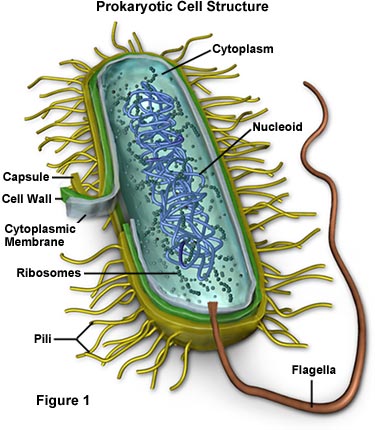
The capsule is the outermost layer of some bacteria. It is made of sugars and proteins. This layer helps bacteria stick to surfaces and protect against drying out. It also stops white blood cells from destroying bacteria. The capsule makes bacteria more able to cause infections.
Cell Wall Structure
The cell wall lies beneath the capsule. It gives bacteria shape and strength. Made mostly of peptidoglycan, it forms a strong mesh around the cell. This wall protects against physical damage and prevents the cell from bursting. Different bacteria have different cell wall types, affecting how they respond to antibiotics.
Plasma Membrane Role
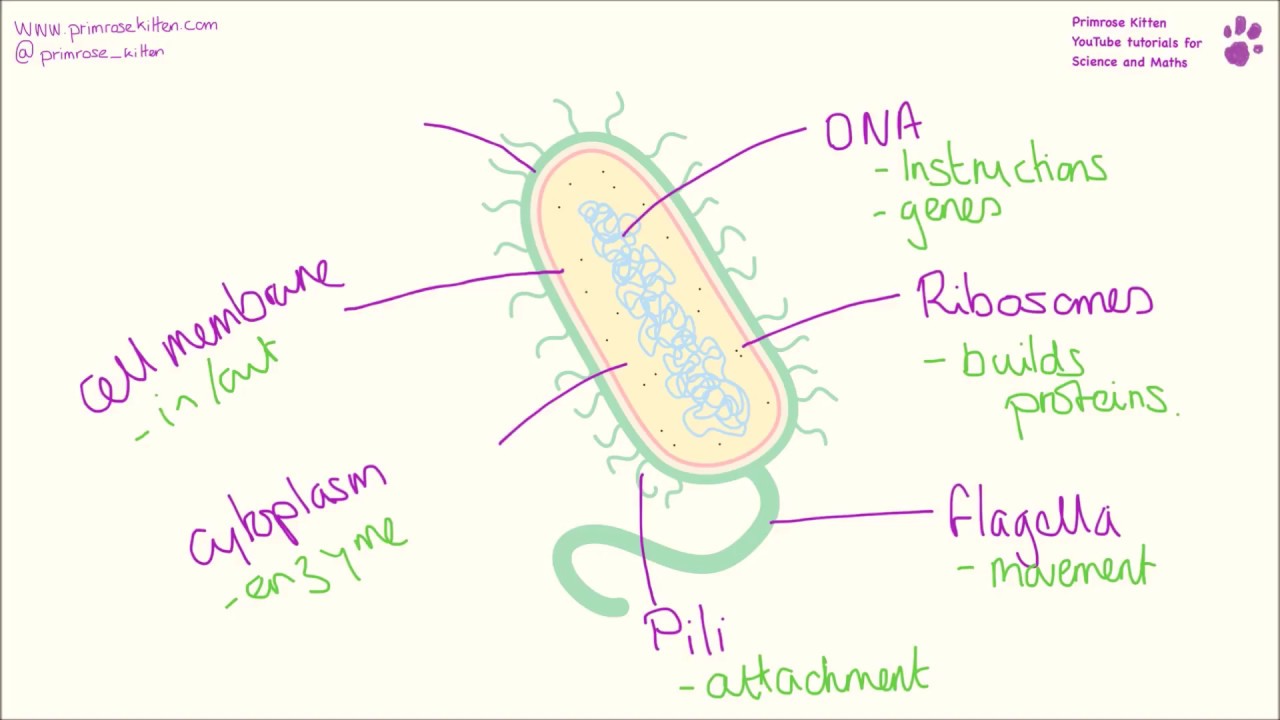
The plasma membrane is inside the cell wall. It controls what enters and leaves the cell. This layer is made of lipids and proteins. It helps with nutrient uptake and waste removal. The membrane also plays a key role in energy production and metabolism. It keeps the cell's internal environment stable and balanced.
Internal Cell Components
Bacteria have various internal cell components essential for their survival and function. These parts work together to maintain life processes inside the cell. Understanding these components helps explain how bacteria grow, reproduce, and adapt.
Cytoplasm Composition
The cytoplasm is a gel-like substance inside the bacterial cell. It contains water, enzymes, nutrients, and other molecules. This medium allows chemical reactions to occur. It also holds all internal structures in place. The cytoplasm plays a key role in metabolism and energy production.
Ribosome Activity
Ribosomes are small particles found in the cytoplasm. They build proteins by reading genetic instructions from the DNA. Proteins are vital for cell structure and function. Ribosomes enable bacteria to produce enzymes and other necessary proteins quickly. They are crucial for bacterial growth and repair.
Nucleoid And Dna
The nucleoid is an irregular region inside the cell. It contains the bacterial DNA, which holds the genetic information. Unlike eukaryotes, bacteria do not have a membrane-bound nucleus. The DNA controls all cell activities and reproduction. The nucleoid ensures the bacteria can pass traits to their offspring.
Plasmid Importance
Plasmids are small, circular DNA molecules separate from the main DNA. They carry extra genes that can provide advantages. These genes may include antibiotic resistance or toxin production. Plasmids can transfer between bacteria, spreading useful traits. They help bacteria adapt quickly to new environments or threats.
Surface Appendages
Bacteria have tiny structures on their surface called surface appendages. These help bacteria move and stick to surfaces. Surface appendages play a big role in how bacteria survive and interact with their environment. They include flagella, pili, and fimbriae, each with special jobs.
Flagella Movement
Flagella are long, whip-like tails attached to bacterial cells. They spin like tiny propellers to push the bacteria forward. This movement helps bacteria swim through liquids. Flagella allow bacteria to find food and escape harmful places. The ability to move increases bacteria’s chances to survive and spread.
Pili And Fimbriae Attachment
Pili and fimbriae are short, hair-like structures on the bacterial surface. They help bacteria stick to surfaces and other cells. This attachment is important for forming colonies or biofilms. Pili can also transfer genetic material between bacteria. Fimbriae mainly help bacteria hold on tightly to host tissues. These structures are key for bacterial infection and colonization.
Metabolic Functions
Bacteria perform many metabolic functions essential for their survival and growth. These functions allow bacteria to obtain energy and process nutrients efficiently. Metabolism in bacteria is diverse, enabling them to live in various environments.
Their metabolic activities are carried out by enzymes and structures within the cell. These processes help bacteria convert substances into energy and building blocks. Understanding these functions explains how bacteria thrive and affect ecosystems.
Energy Production
Bacteria produce energy using different methods. Some use oxygen to break down food molecules in a process called aerobic respiration. Others survive without oxygen, using anaerobic respiration or fermentation instead.
Energy production happens mainly in the cell membrane. Here, bacteria convert nutrients into ATP, the energy currency. ATP powers all cellular activities, including movement and reproduction.
Nutrient Processing
Bacteria process a wide range of nutrients. They break down sugars, proteins, and fats into smaller parts. These parts serve as building blocks for new cell components or energy sources.
Some bacteria can use unusual nutrients like sulfur or nitrogen compounds. This ability helps them live in harsh environments. Nutrient processing supports bacterial growth and helps recycle materials in nature.
Protein Synthesis
Protein synthesis is vital for bacterial growth and survival. It is the process where bacteria build proteins needed for their functions. These proteins help bacteria to grow, reproduce, and respond to their environment. Understanding protein synthesis gives insight into how bacteria operate at the molecular level.
Translation Process
The translation process converts genetic information into proteins. It starts when messenger RNA (mRNA) carries the code from DNA. Ribosomes read this code and link amino acids together. Each amino acid is added in the order specified by the mRNA. This chain of amino acids folds to form a functional protein. The process is fast and efficient, allowing bacteria to adapt quickly.
Role Of Ribosomes
Ribosomes are the cell’s protein factories. They read the mRNA sequence and guide the assembly of amino acids. In bacteria, ribosomes float freely in the cytoplasm. They consist of two parts: a large subunit and a small subunit. These parts work together to ensure accurate protein production. Ribosomes also help speed up the translation process.

Credit: water.mecc.edu
Reproduction Mechanism
Bacteria reproduce to grow their population quickly. Their reproduction method is simple yet effective. This process allows bacteria to multiply fast in various environments. Understanding bacterial reproduction helps us learn how infections spread and how bacteria adapt.
Binary Fission Process
Binary fission is the main way bacteria reproduce. One bacterial cell splits into two identical cells. The process starts with the duplication of the bacterial DNA.
Next, the cell grows larger and the DNA copies move to opposite ends. Then, the cell membrane pinches inward. This divides the cell into two separate cells.
Each new cell has the same genetic material as the original. This quick and simple process helps bacteria multiply rapidly. It also allows bacteria to adapt to changes in their environment fast.
Genetic Exchange
Bacteria share genetic material to adapt and survive. This process is called genetic exchange. It helps bacteria gain new traits quickly. Genetic exchange occurs through various methods. One important way is plasmid transfer. Another key aspect is the spread of antibiotic resistance genes.
Plasmid Transfer
Plasmids are small DNA circles separate from the bacterial chromosome. They carry extra genes that can benefit bacteria. Bacteria transfer plasmids through a process called conjugation. A donor bacterium forms a bridge to a recipient. The plasmid moves across this bridge to the new cell. This transfer spreads traits like toxin production or metabolism of new substances. Plasmid transfer speeds up bacterial evolution and adaptation.
Antibiotic Resistance Genes
Antibiotic resistance genes can be carried on plasmids or chromosomes. These genes help bacteria survive antibiotic treatment. Genetic exchange spreads these resistance genes among bacteria. This makes some infections harder to treat. Resistance genes can also move between different bacterial species. Preventing the spread of resistance requires careful use of antibiotics. Understanding genetic exchange is key to managing antibiotic resistance.
Bacterial Shapes
Bacteria come in various shapes. These shapes help identify and classify them. Shape affects how bacteria move and live in environments. It also influences how they cause disease or help ecosystems.
Coccus
Coccus bacteria are round or oval. They can appear alone, in pairs, chains, or clusters. Their round shape helps them resist drying out. Common examples include Streptococcus and Staphylococcus. Cocci often cause infections like strep throat or skin infections.
Rod
Rod-shaped bacteria are long and cylindrical. They are also called bacilli. These bacteria can be single or form chains. Rods help bacteria absorb nutrients efficiently. Examples include Escherichia coli and Bacillus subtilis. Some rods cause diseases, while others help digest food.
Spiral
Spiral bacteria have a twisted or corkscrew shape. There are three types: spirilla, spirochetes, and vibrios. This shape helps them move through liquids easily. Spiral bacteria include harmful species like Helicobacter pylori and Treponema pallidum. They often cause stomach ulcers and Lyme disease.
Protective Functions
Bacteria have developed strong protective functions to survive in harsh environments. Their protective layers shield them from threats and help maintain their shape. These defenses also prevent harmful substances from entering the cell. Understanding these protective functions reveals how bacteria resist attacks and thrive.
Capsule Defense
The capsule is a sticky outer layer surrounding some bacteria. It helps bacteria stick to surfaces and avoid being eaten by immune cells. This layer blocks harmful chemicals and viruses from reaching the bacterial cell. Capsules also prevent drying out and help bacteria form groups called biofilms. These features increase bacterial survival in tough conditions.
Cell Wall Strength
The bacterial cell wall is a strong, rigid structure outside the cell membrane. It gives bacteria their shape and protects against physical damage. The cell wall stops the cell from bursting in watery environments by controlling water flow. It also acts as a barrier to toxic substances. The main component, peptidoglycan, provides toughness and support to the cell wall.
Credit: www.youtube.com
Credit: micro.magnet.fsu.edu
Frequently Asked Questions
What Are The Bacterial Structures And Functions?
Bacterial structures include the cell wall for shape, plasma membrane for substance control, cytoplasm for metabolism, ribosomes for protein synthesis, nucleoid containing DNA, and appendages like flagella for movement and pili for attachment. These enable growth, reproduction, protection, and adaptation.
What Is Bacteria And Its Function?
Bacteria are single-celled organisms without a nucleus. They help in digestion, nutrient cycling, and disease defense. They also reproduce rapidly and adapt to environments.
What Are The Three Functions Of Bacteria?
Bacteria perform three main functions: nutrient recycling, aiding digestion, and causing or preventing diseases. They also support ecosystems and human health.
What Is The Main Structural Feature Of Bacteria?
The main structural feature of bacteria is the rigid cell wall made of peptidoglycan. It maintains shape and protects the cell.
Conclusion
Bacteria have simple but vital structures that support their life. Each part plays a key role in survival and function. Their cell wall protects and shapes the cell. The membrane controls what enters and leaves. Ribosomes make proteins needed for growth.
DNA in the nucleoid guides cell activities. Structures like flagella help bacteria move. Pili aid in attachment to surfaces. These features let bacteria live in many places. Understanding their structure helps us learn how bacteria affect health. Bacteria are small but powerful living organisms.


No comments